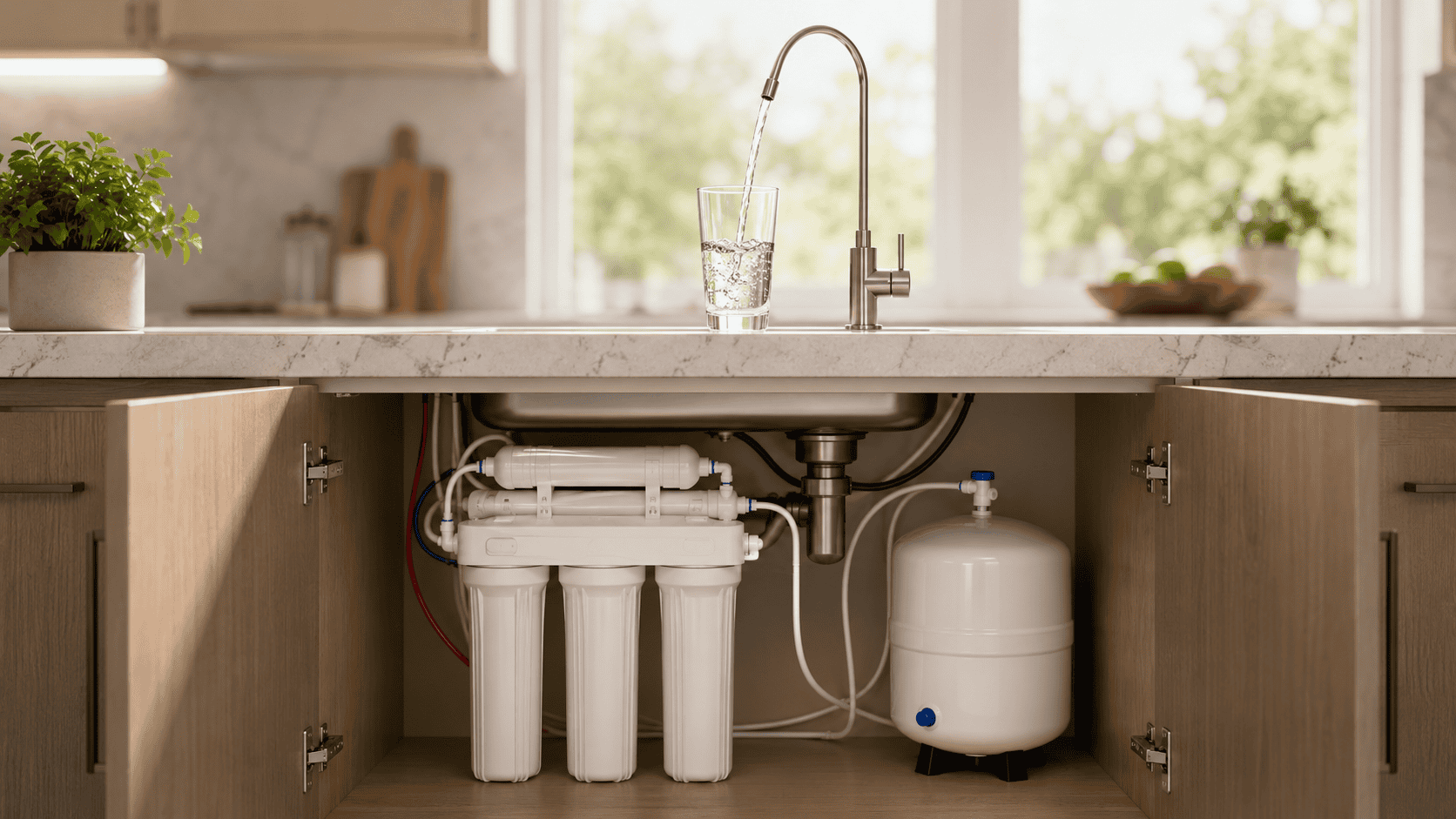
Home Master TMAFC-ERP Review (2026): Low-Waste RO
Reverse osmosis that adds minerals back, wastes little water and has cheap yearly filters. What it does well, why it isn’t certified, and who it suits.
 Marcus Chen
Reverse osmosis that adds minerals back, wastes little water and has cheap yearly filters. What it does well, why it isn’t certified, and who it suits.
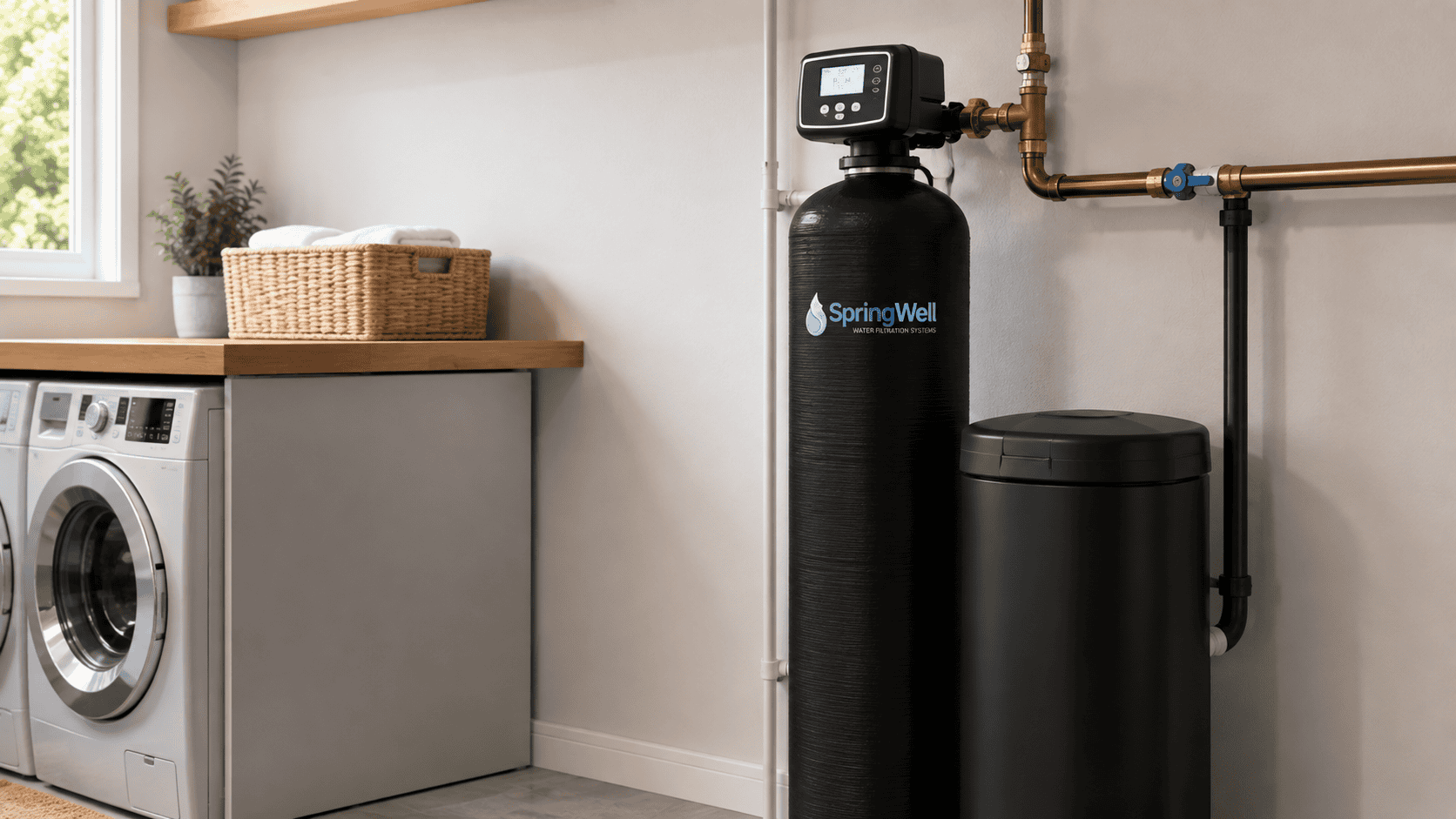
A salt-free conditioner that aims to stop scale without salt, power or wastewater. It conditions rather than softens, and its scale claim isn’t certified.

A nanofiber pitcher with a long list of reduction claims, including bacteria and viruses. What NSF International certifies, what’s Epic’s own data, and who it suits.
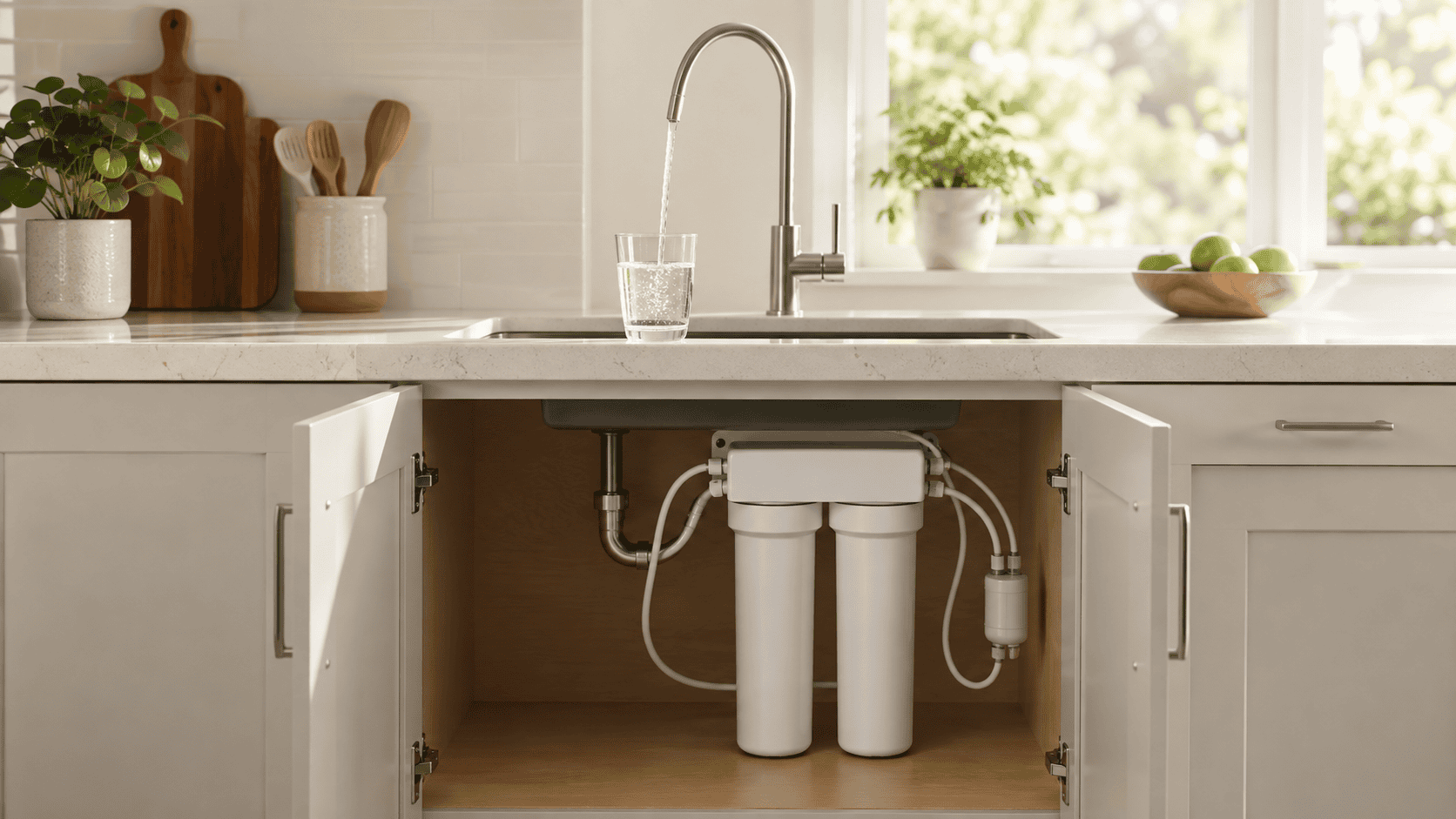
A plumbed-in carbon filter certified by IAPMO R&T for lead, chlorine and chloramine, with no wastewater. Its PFAS and microplastics claims aren’t certified.

An under-sink filter that fits your existing faucet in minutes, with a cartridge chosen for your water. What’s certified, which cartridges cover PFAS, and what it costs.
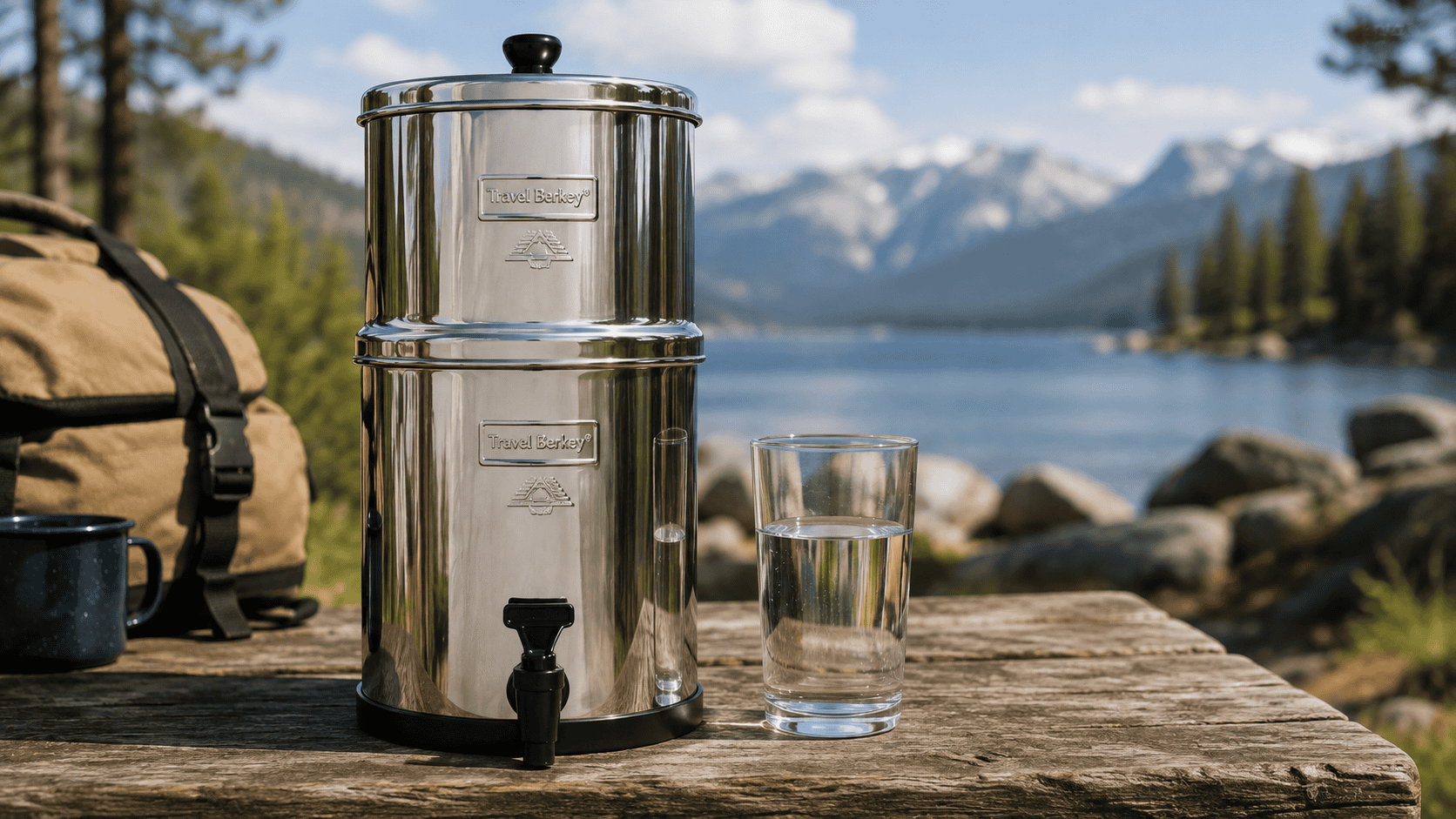
The portable Berkey is certified for chlorine, taste and odor only with Phoenix elements. What that means when you buy, what its lab tests show, and what it costs to run.
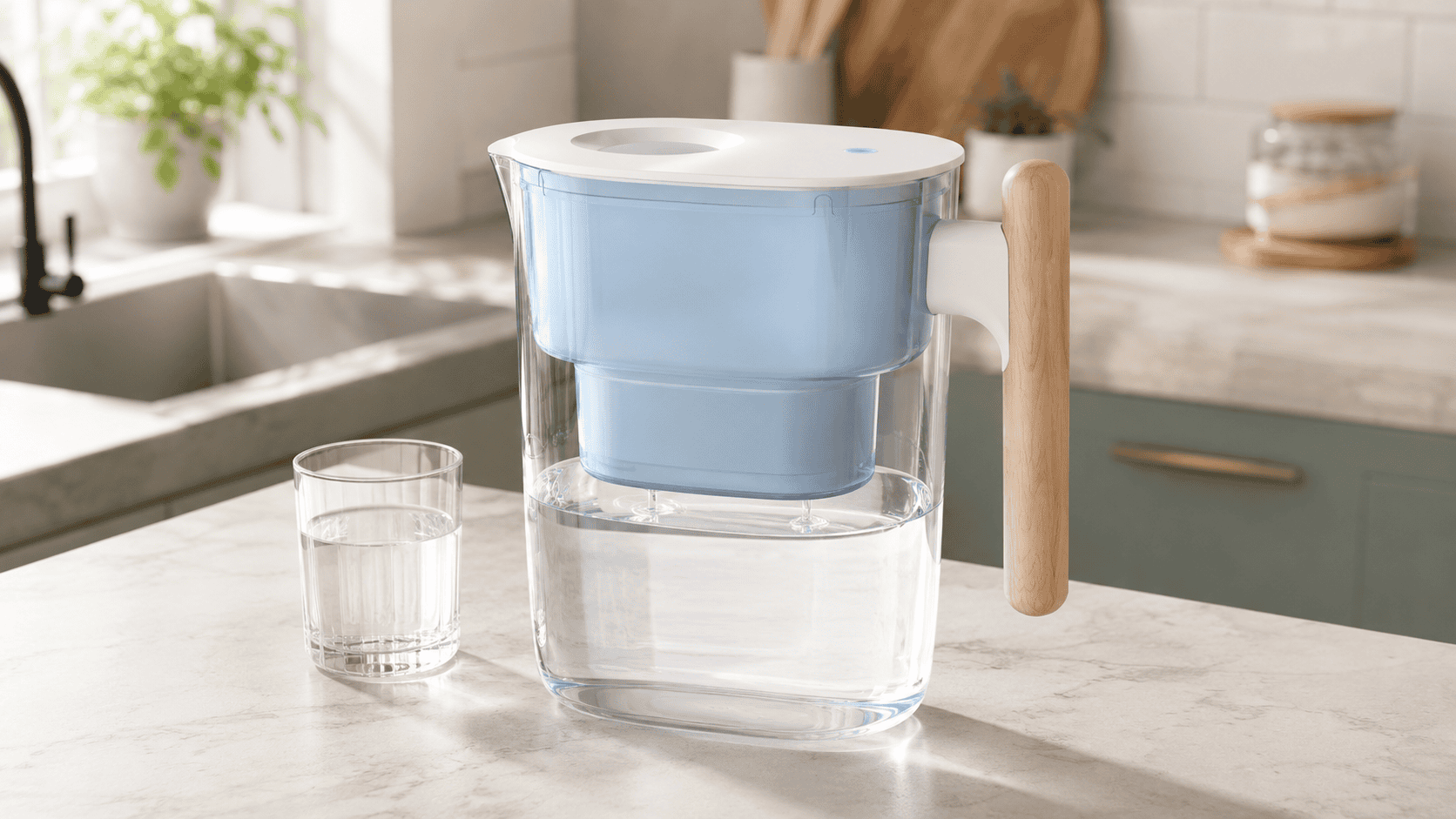
A 10-cup pitcher with a 200-gallon filter, certified by NSF International for chlorine, taste and odor. Waterdrop’s lead and PFAS claims aren’t certified.
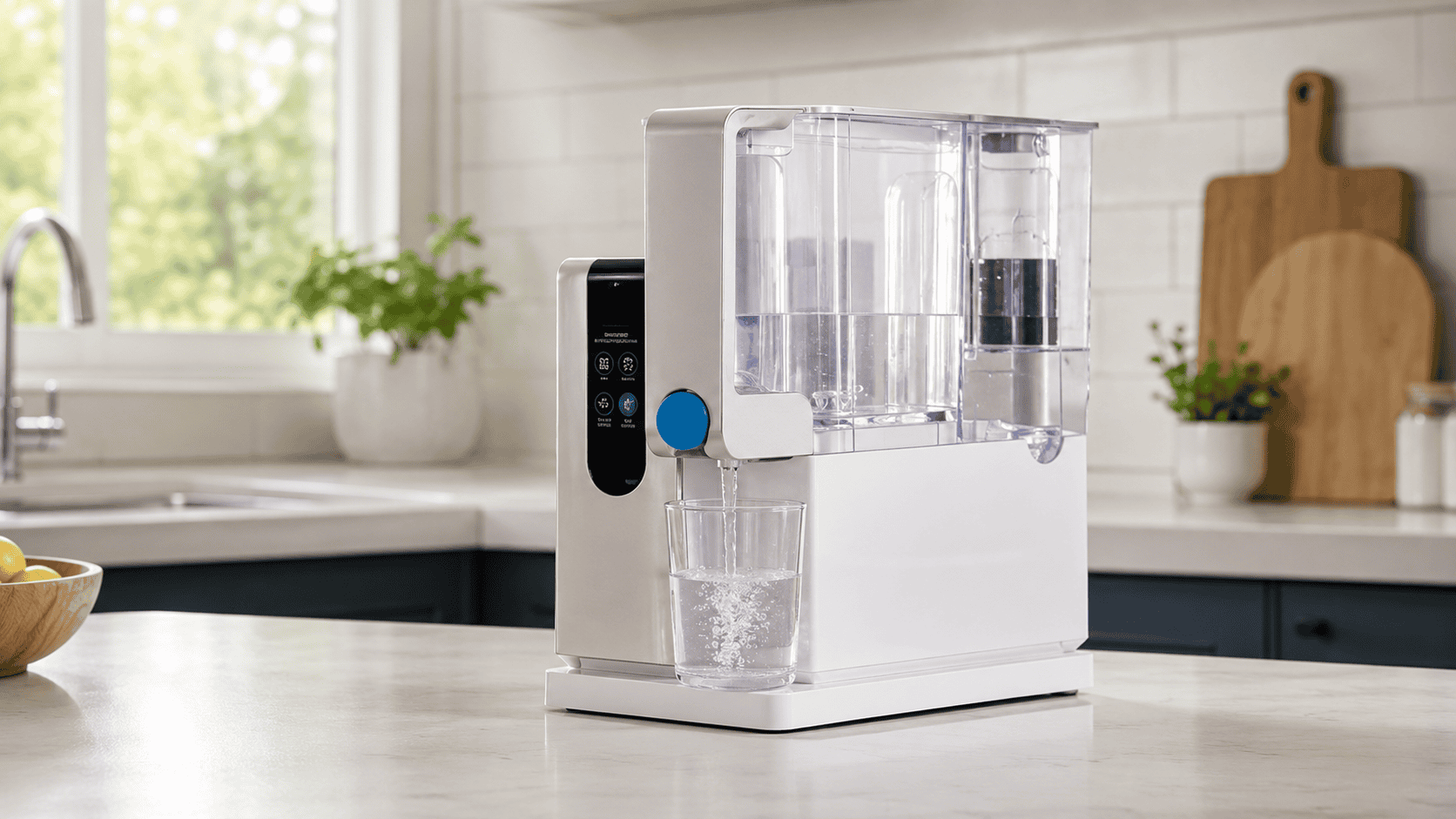
Countertop reverse osmosis certified by IAPMO R&T for lead, fluoride, arsenic and PFOA/PFOS, with no plumbing and a bigger tank than the Carafe.
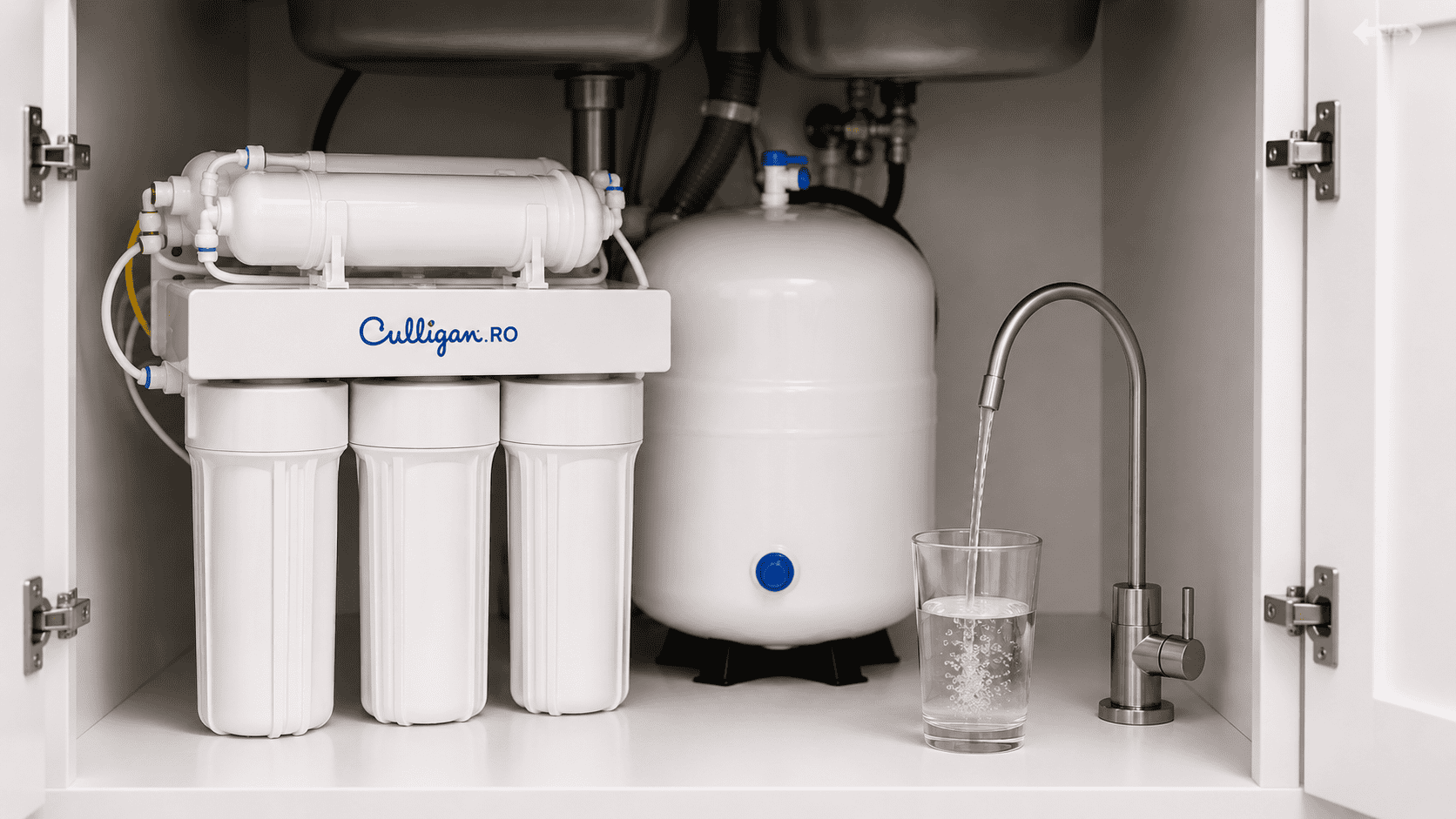
Dealer-installed reverse osmosis certified by WQA for lead, fluoride, arsenic, and nitrate. What it’s certified to remove, why pricing is by quote only, and who it suits.
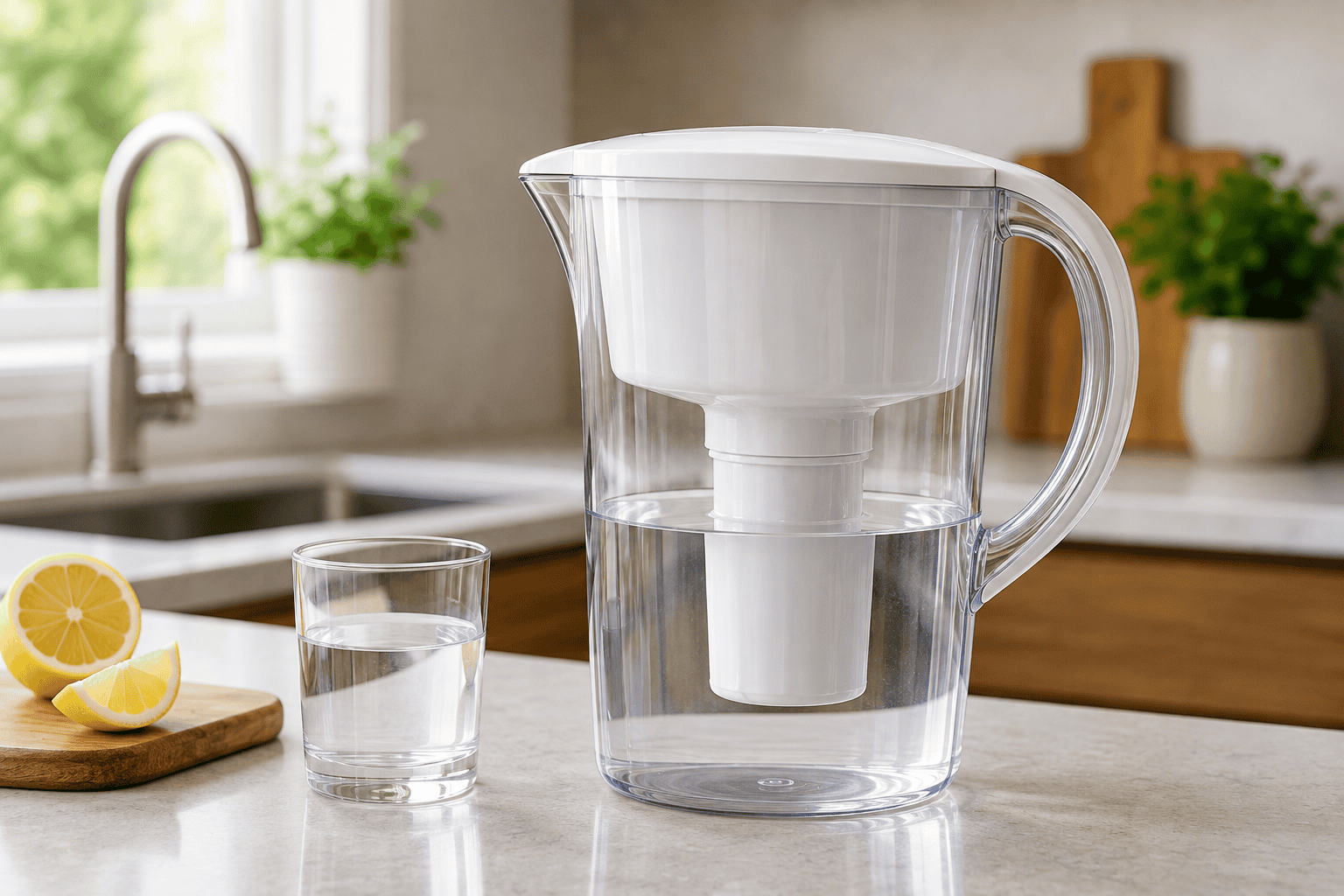
The Clearly Filtered pitcher reduces the widest contaminant list of any pitcher we cover, fluoride, PFAS, and arsenic included, while keeping beneficial minerals. Here is what its third‑party lab data shows, where its NSF certification actually stops, and who should buy it.