Types of Water Filters and What Each One Removes
The main types of water filters each remove different things. Pick a contaminant to see which type works, the certification to look for, and filters we've reviewed that carry it.
What are you trying to remove?
PFAS
What works
Reverse osmosis, activated carbon block, or single-use anion exchange resin.
Look for
NSF/ANSI 53 or 58, with a claim for PFOA/PFOS or Total PFAS reduction.
What won't do it
NSF/ANSI 401 doesn't cover PFAS. Neither does a sediment filter or a basic pitcher with only an NSF/ANSI 42 listing.
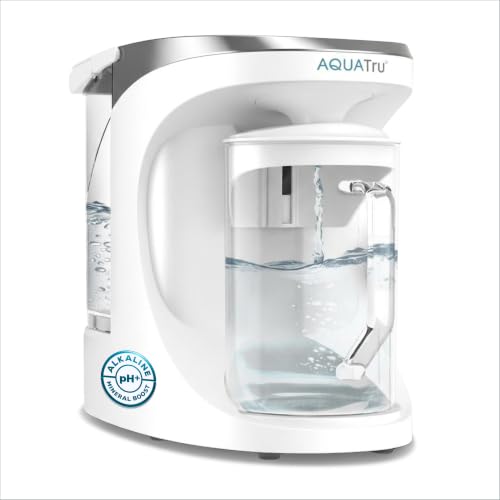
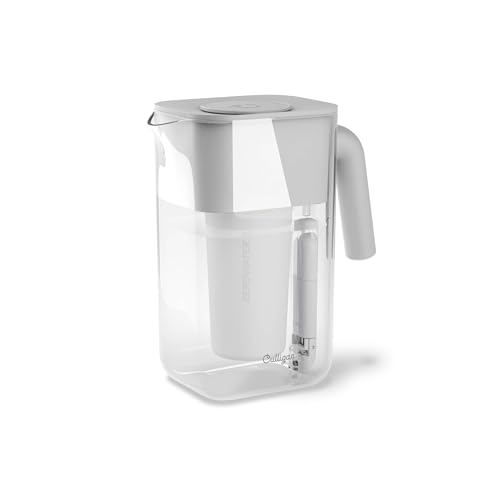
Certified filters we cover
Lead
What works
Carbon block with a lead claim, or reverse osmosis.
Look for
NSF/ANSI 53 or 58, with a claim for lead reduction.
What won't do it
NSF/ANSI 372 only means the filter's own parts are lead-free. It says nothing about removing lead.
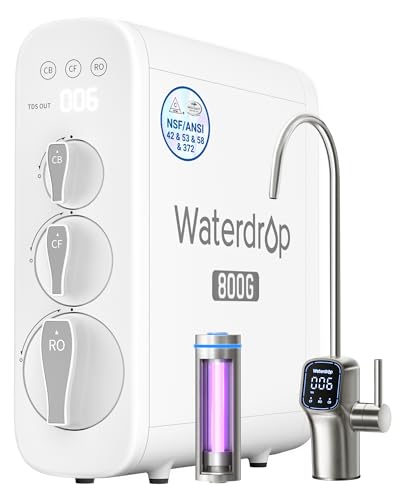
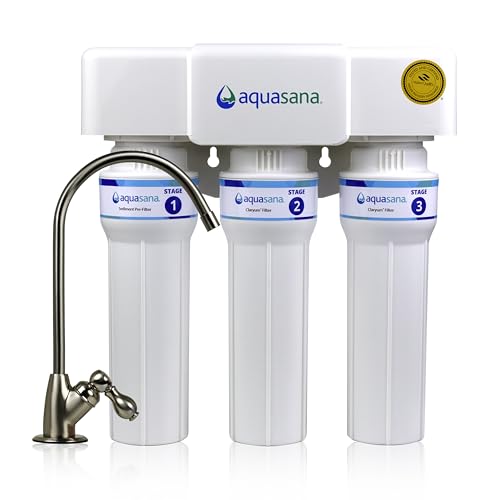
Certified filters we cover

Chlorine and chloramine
What works
Activated carbon for chlorine. Catalytic carbon for chloramine.
Look for
NSF/ANSI 42, with a claim for chlorine, taste and odor or chloramine reduction.
What won't do it
A chlorine claim doesn't cover chloramine. Check your utility's report to see which one it uses.
Certified filters we cover

Hard water
What works
A salt-based (cation exchange) water softener.
Look for
NSF/ANSI 44, with a claim for hardness reduction.
What won't do it
Salt-free conditioners reduce scale but don't soften water. Drinking water filters don't remove hardness.
Certified filters we cover
We haven't reviewed a softener certified to NSF/ANSI 44 yet.
Bacteria and viruses
What works
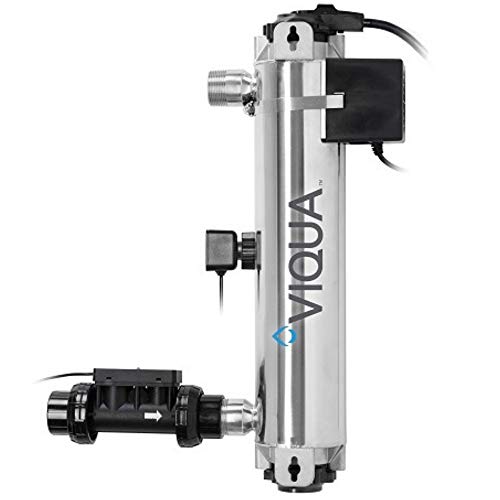
A Class A UV system, with a sediment filter ahead of it.
Look for
NSF/ANSI 55 Class A, or NSF P231 for a purifier.
What won't do it
NSF/ANSI 53 and 58 cover protozoan cysts only, not bacteria or viruses.
Certified filters we cover
Arsenic
What works
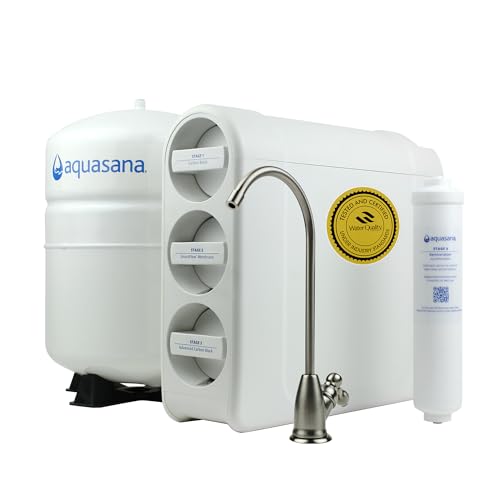
Reverse osmosis or an adsorptive media filter.
Look for
NSF/ANSI 58 or 53, with a claim for arsenic V (pentavalent) reduction.
What won't do it
Arsenic III has to be oxidized to arsenic V first, usually by chlorination. Test to see which you have.
Certified filters we cover

Fluoride
What works
Reverse osmosis, activated alumina, or bone char.
Look for
NSF/ANSI 58 or 53, with a claim for fluoride reduction.
What won't do it
Carbon block filters, including most pitchers, don't reduce fluoride.
Certified filters we cover
Nitrate and nitrite
What works
Reverse osmosis or anion exchange.
Look for
NSF/ANSI 58 or 53, with a claim for nitrate/nitrite reduction.
What won't do it
A TDS reduction claim isn't a nitrate claim. Look for nitrate by name.
Certified filters we cover
Microplastics
What works
A filter with a microplastics claim, or reverse osmosis.
Look for
NSF/ANSI 401, with a claim for microplastics reduction.
What won't do it
A sediment rating in microns isn't a microplastics claim.
Certified filters we cover
Chromium-6
What works
Reverse osmosis or a selective adsorptive media filter.
Look for
NSF/ANSI 58 or 53, with a claim for hexavalent chromium reduction.
What won't do it
A trivalent chromium (chromium-3) listing doesn't cover chromium-6.
Certified filters we cover
Test your water first
City water
Read your utility's annual water quality report. It lists what was found and how much. Anywhere in the US, check your utility with our water quality checker.
Well water
Have it tested by a certified lab at least once a year for bacteria and nitrate.
Still unsure?
A reverse osmosis system with broad certified claims covers the most common concerns.
The main types of water filters
Most filters combine two or more of these. A filter type only tells you what it can remove; the certification listing tells you what that exact model is certified to remove.
| Type | Removes | Doesn't remove | Certification |
|---|---|---|---|
| Activated carbon | Chlorine taste and smell. Certified models also cover lead, PFAS, VOCs, or microplastics. | Fluoride, nitrate, arsenic, hardness, bacteria | NSF/ANSI 42, 53, 401 |
| Reverse osmosis | The widest range: fluoride, arsenic, nitrate, lead, PFAS, and dissolved solids. | Bacteria and viruses (not certified for them) | NSF/ANSI 58 |
| Ion exchange | Softeners remove hardness. Anion resins reduce nitrate and PFAS. | Most chemicals, unless certified for them | NSF/ANSI 44, 53 |
| Activated alumina | Fluoride and arsenic. | Chlorine, PFAS, bacteria | NSF/ANSI 53, 58 |
| UV disinfection | Bacteria, viruses, and cysts. | Any chemical or metal | NSF/ANSI 55 Class A |
| Distillation | Most dissolved minerals and metals, plus microbes. | Some VOCs that boil off with the water | NSF/ANSI 62 |
| Sediment | Sand, rust, and other particles. Usually a first stage. | Dissolved chemicals and microbes | NSF/ANSI 42 |
Every contaminant at a glance
Certification is granted claim by claim and model by model, so look for the contaminant by name on the certifier's listing, not just the standard number.
| Contaminant | What works | Certification to look for |
|---|---|---|
| PFAS | Reverse osmosis, activated carbon block, or single-use anion exchange resin. | NSF/ANSI 53 or 58, with a claim for PFOA/PFOS or Total PFAS reduction. |
| Lead | Carbon block with a lead claim, or reverse osmosis. | NSF/ANSI 53 or 58, with a claim for lead reduction. |
| Chlorine and chloramine | Activated carbon for chlorine. Catalytic carbon for chloramine. | NSF/ANSI 42, with a claim for chlorine, taste and odor or chloramine reduction. |
| Hard water | A salt-based (cation exchange) water softener. | NSF/ANSI 44, with a claim for hardness reduction. |
| Bacteria and viruses | A Class A UV system, with a sediment filter ahead of it. | NSF/ANSI 55 Class A, or NSF P231 for a purifier. |
| Arsenic | Reverse osmosis or an adsorptive media filter. | NSF/ANSI 58 or 53, with a claim for arsenic V (pentavalent) reduction. |
| Fluoride | Reverse osmosis, activated alumina, or bone char. | NSF/ANSI 58 or 53, with a claim for fluoride reduction. |
| Nitrate and nitrite | Reverse osmosis or anion exchange. | NSF/ANSI 58 or 53, with a claim for nitrate/nitrite reduction. |
| Microplastics | A filter with a microplastics claim, or reverse osmosis. | NSF/ANSI 401, with a claim for microplastics reduction. |
| Chromium-6 | Reverse osmosis or a selective adsorptive media filter. | NSF/ANSI 58 or 53, with a claim for hexavalent chromium reduction. |
Prices as of November 1, 2026. Product prices and availability are accurate as of the date/time indicated and are subject to change. As an Amazon Associate we earn from qualifying purchases.