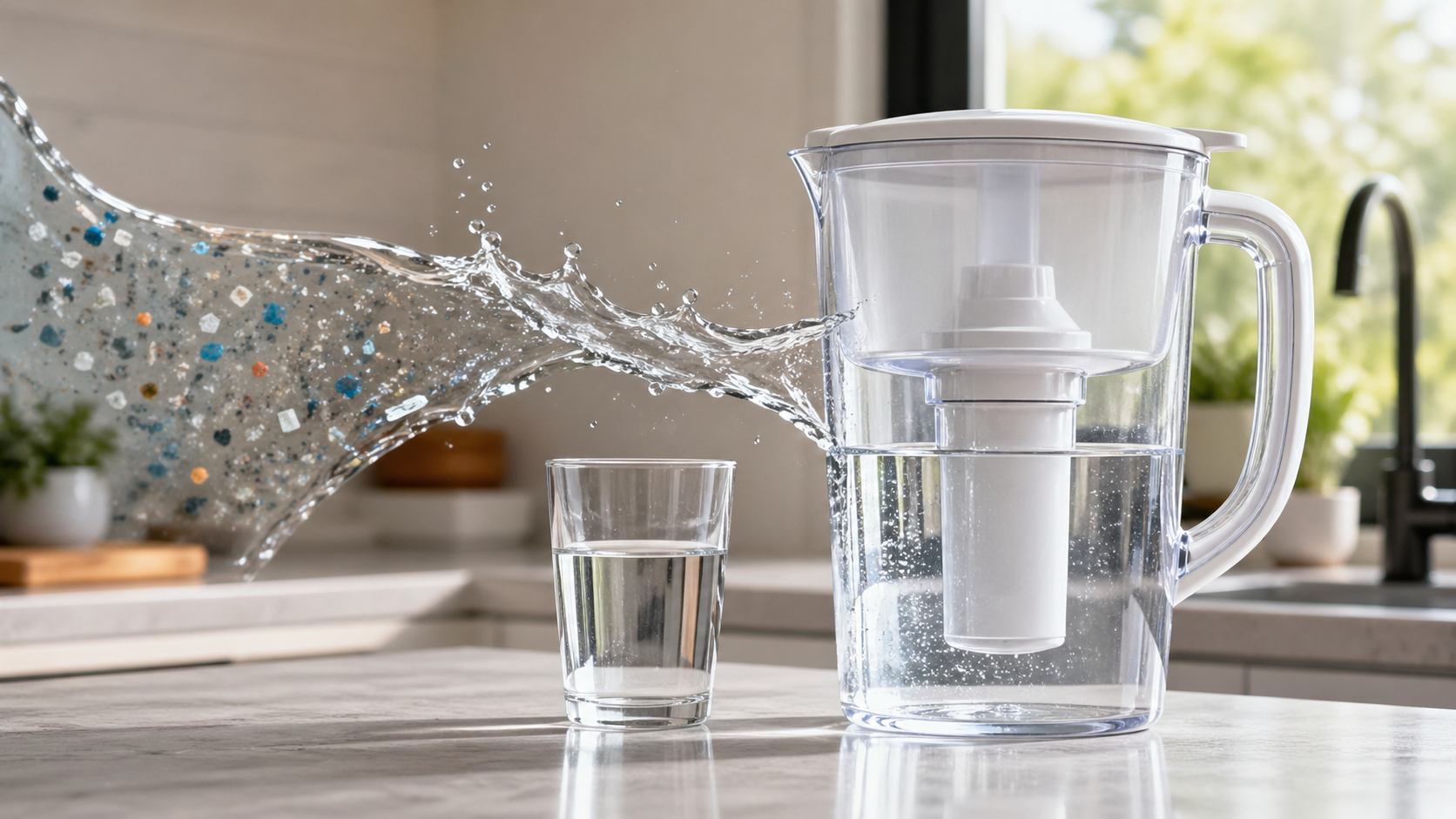
Microplastics in Drinking Water: What They Are and How to Filter Them
What microplastics are, the real health concerns, why bottled water is often worse than tap, and the certified filters proven to remove them.
 Marcus Chen
What microplastics are, the real health concerns, why bottled water is often worse than tap, and the certified filters proven to remove them.
Why chlorine is in your water, whether it’s safe, the byproduct and chloramine nuance, and the cheap filters that remove it.
What hard water is, why it’s a nuisance rather than a health risk, and how to fix it, from whole-house softeners to salt-free conditioners.
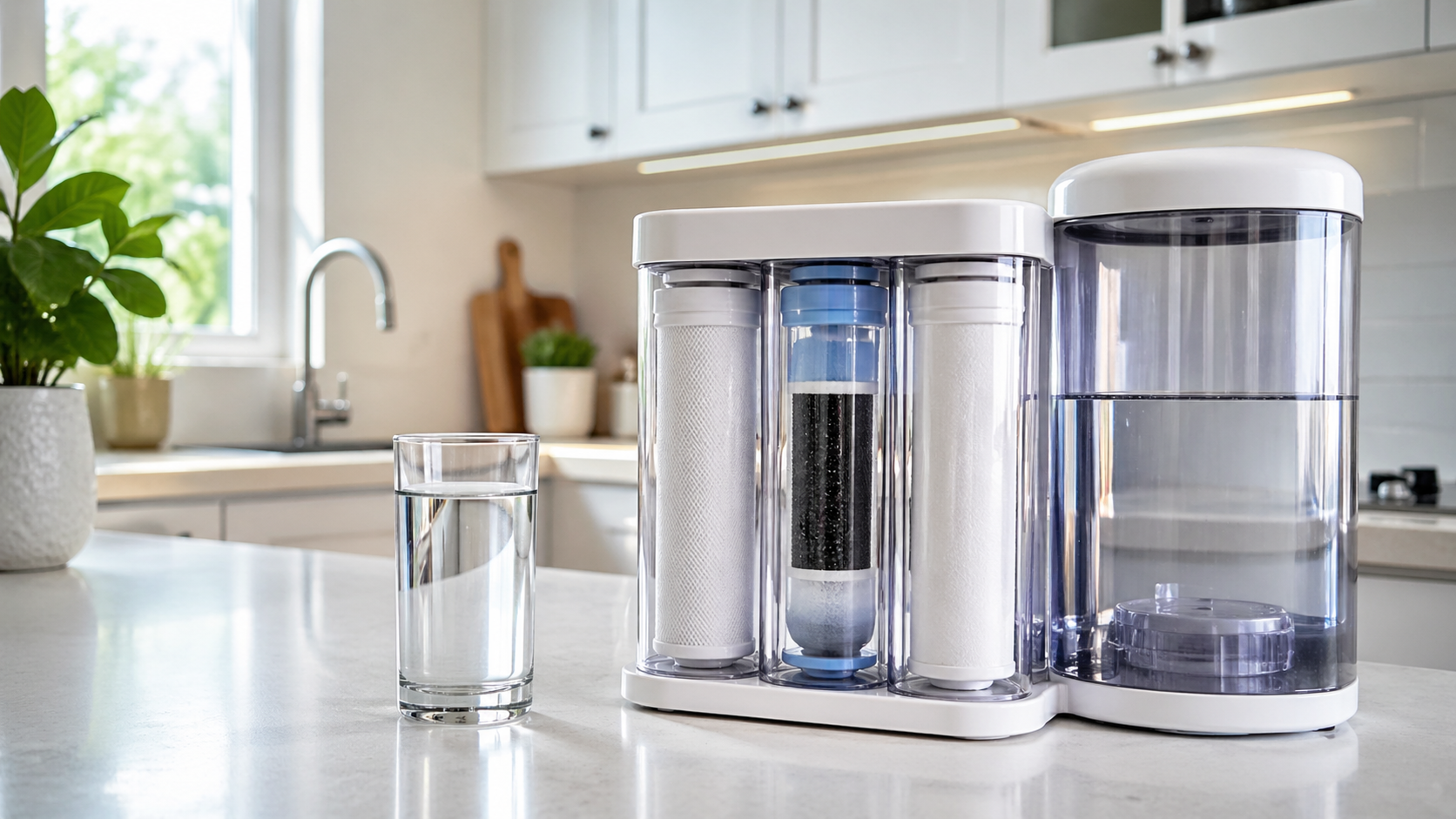
A balanced look at fluoride in tap water, the benefits, the emerging IQ research and bans, and how to remove it if you choose to.
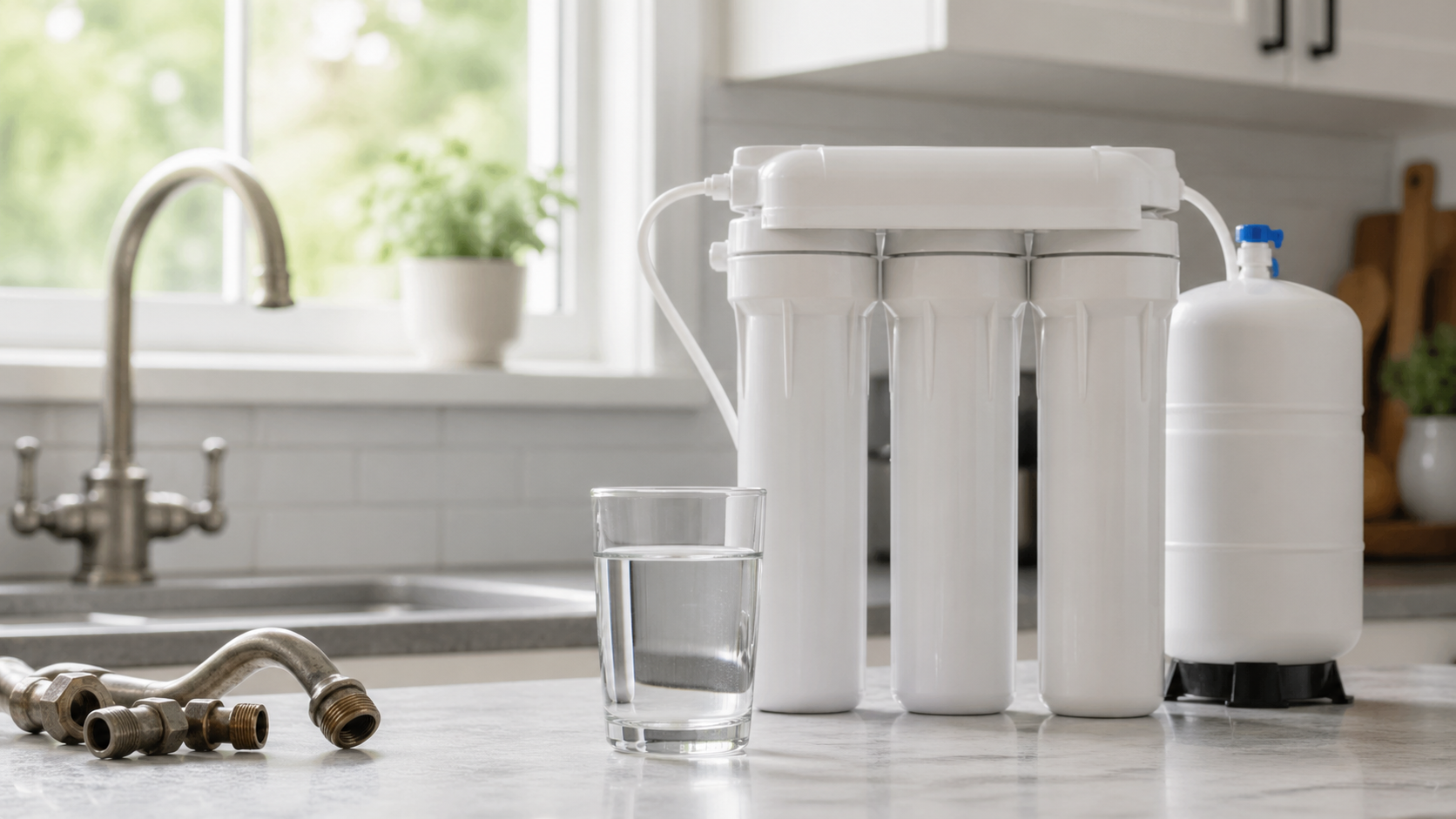
Lead is a toxic metal with no safe level of exposure, and it rarely comes from your source water. It leaches from lead service lines, old solder, and brass fixtures between the water main and your tap, which is why two houses on the same street can get very different results.
What PFAS are, why they matter, the 2026 EPA rules, how to test your tap, and the certified filters proven to remove them.
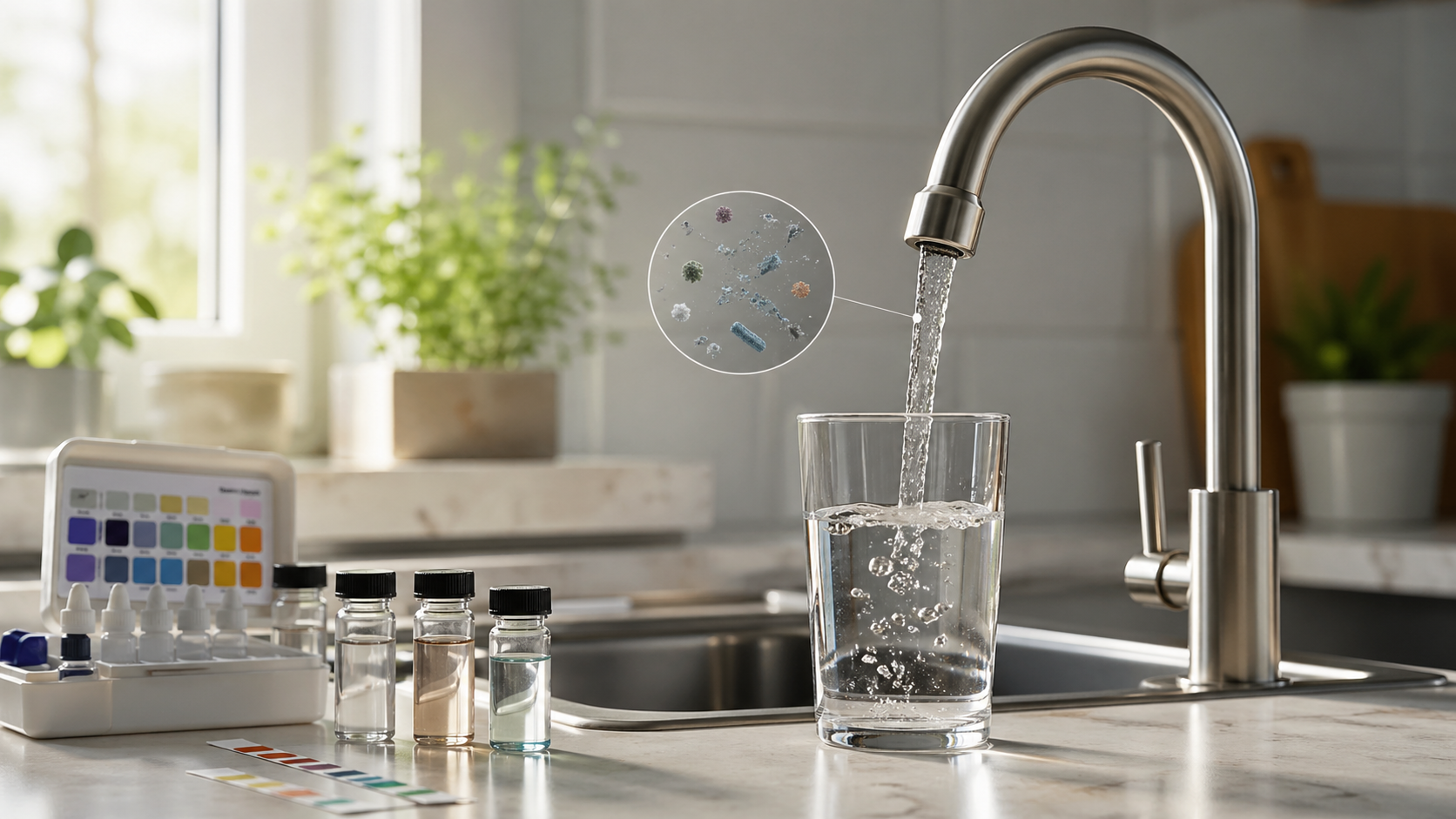
The EPA regulates 90 contaminants — but 324 have been detected in US tap water. Here’s what’s actually in your water, where it comes from, and which filters remove each one.
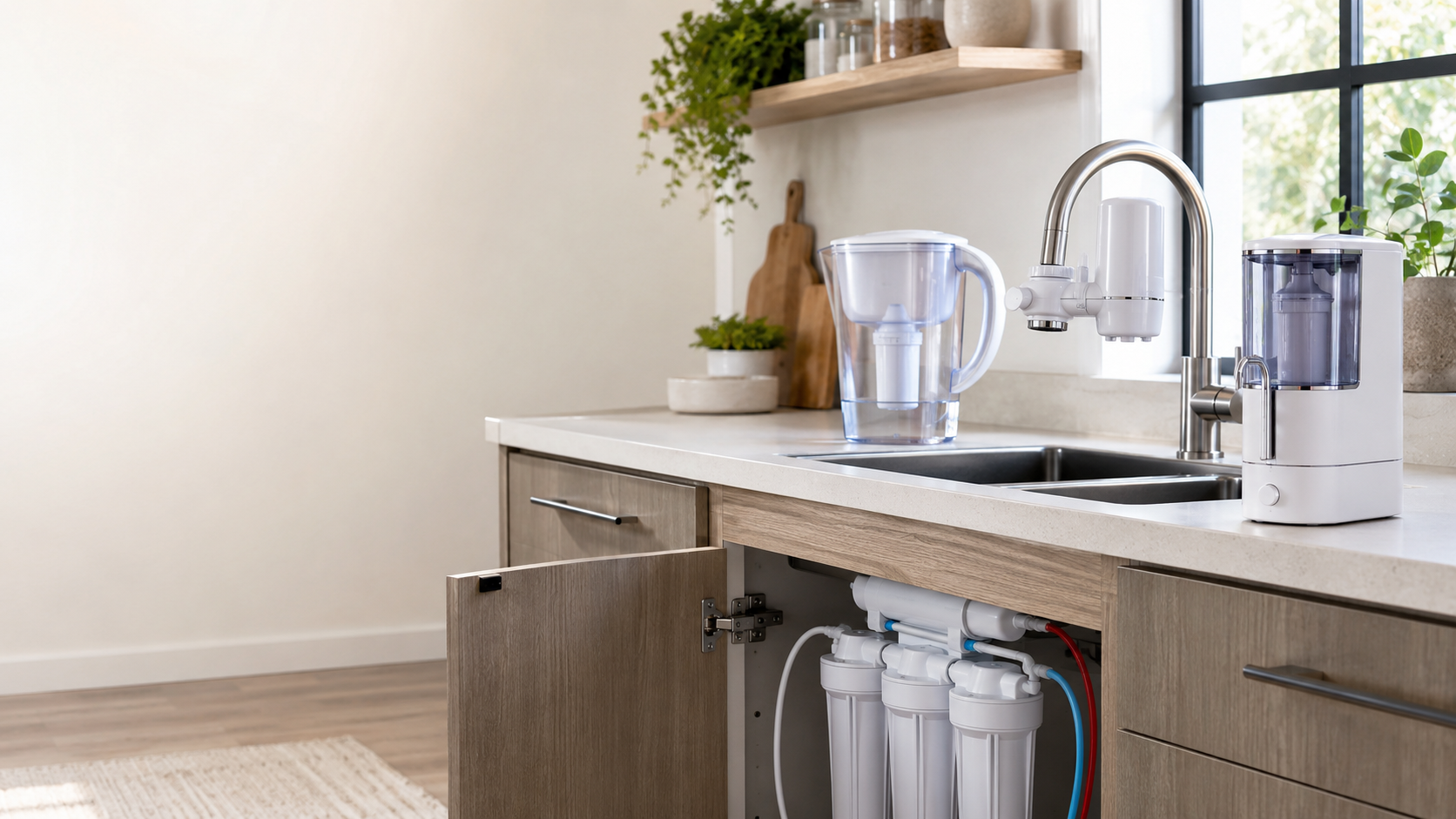
A step-by-step way to choose the right filter: test your water, match contaminants to the technology, check the certification, and compare true cost.
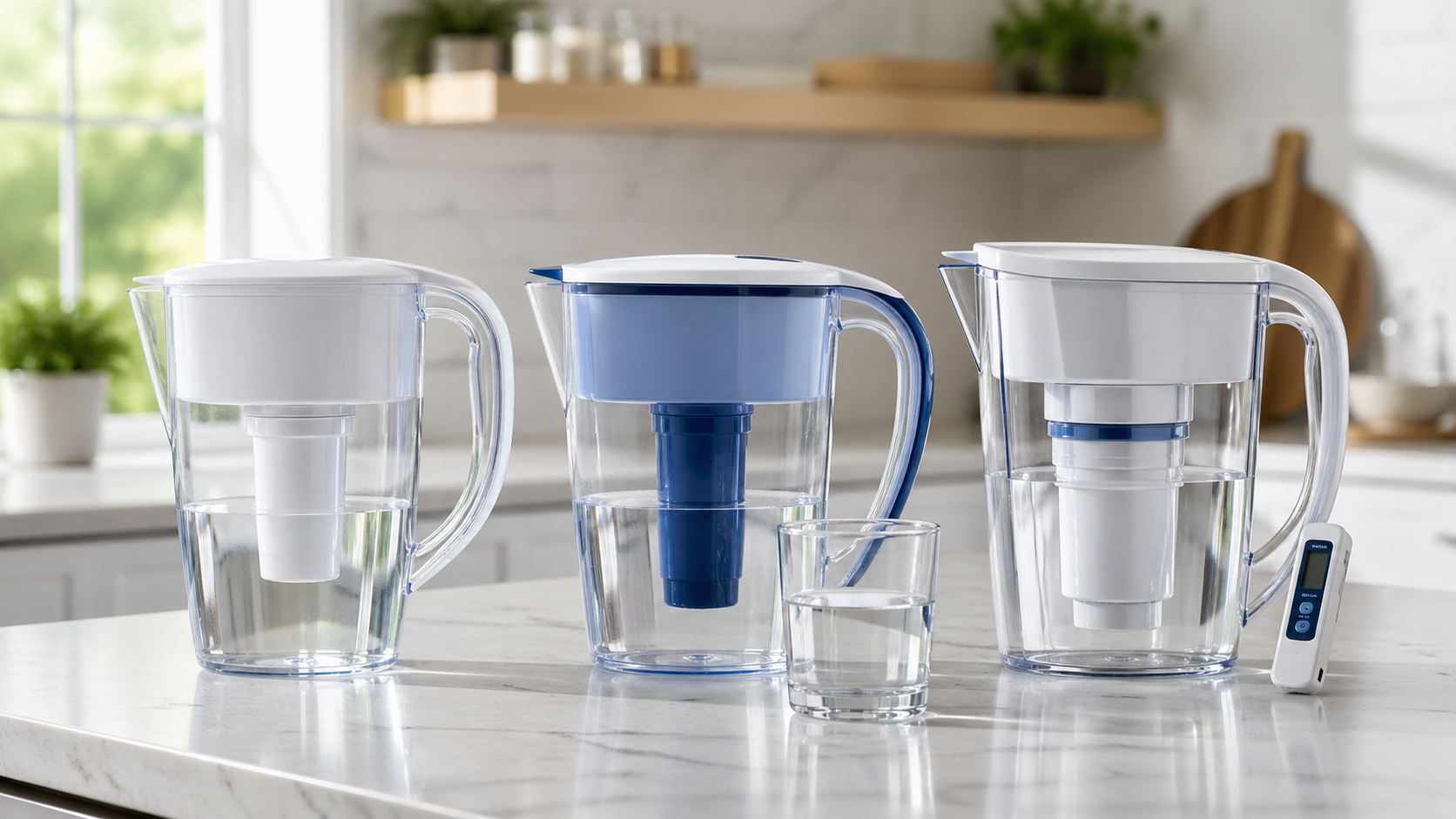
Brita, PUR, and ZeroWater all filter water — but they work differently and suit different needs. Here’s the honest comparison based on certifications, performance, and real costs.
Find the exact filter your fridge takes, by brand, and learn which genuine and certified aftermarket filters to trust and which to skip.