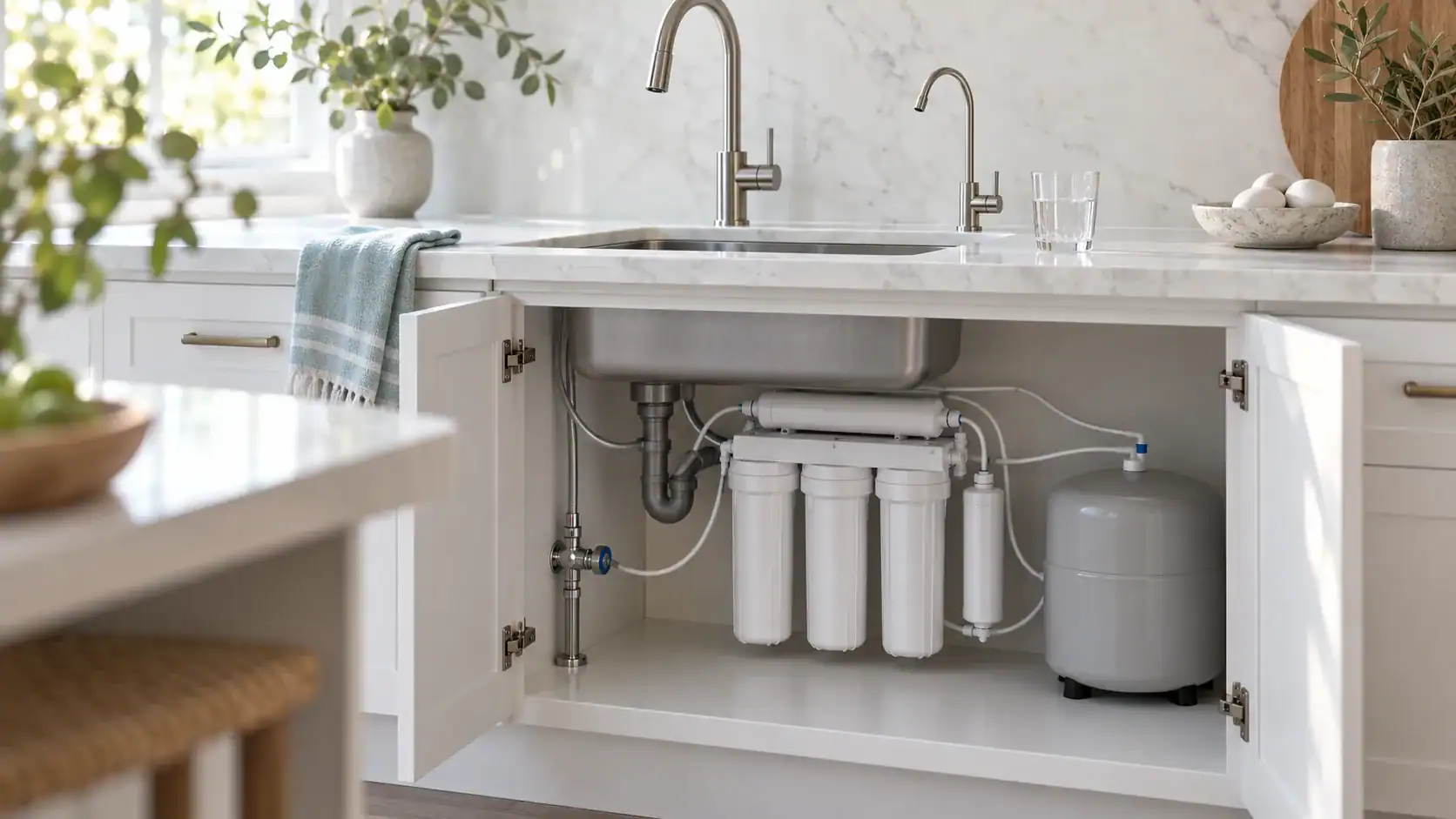
Best Reverse Osmosis System With Remineralization (2026)
Four RO systems whose makers list a mineral stage, ranked by our score, with what each is certified to remove and what the mineral stage does.
 Marcus Chen
Four RO systems whose makers list a mineral stage, ranked by our score, with what each is certified to remove and what the mineral stage does.
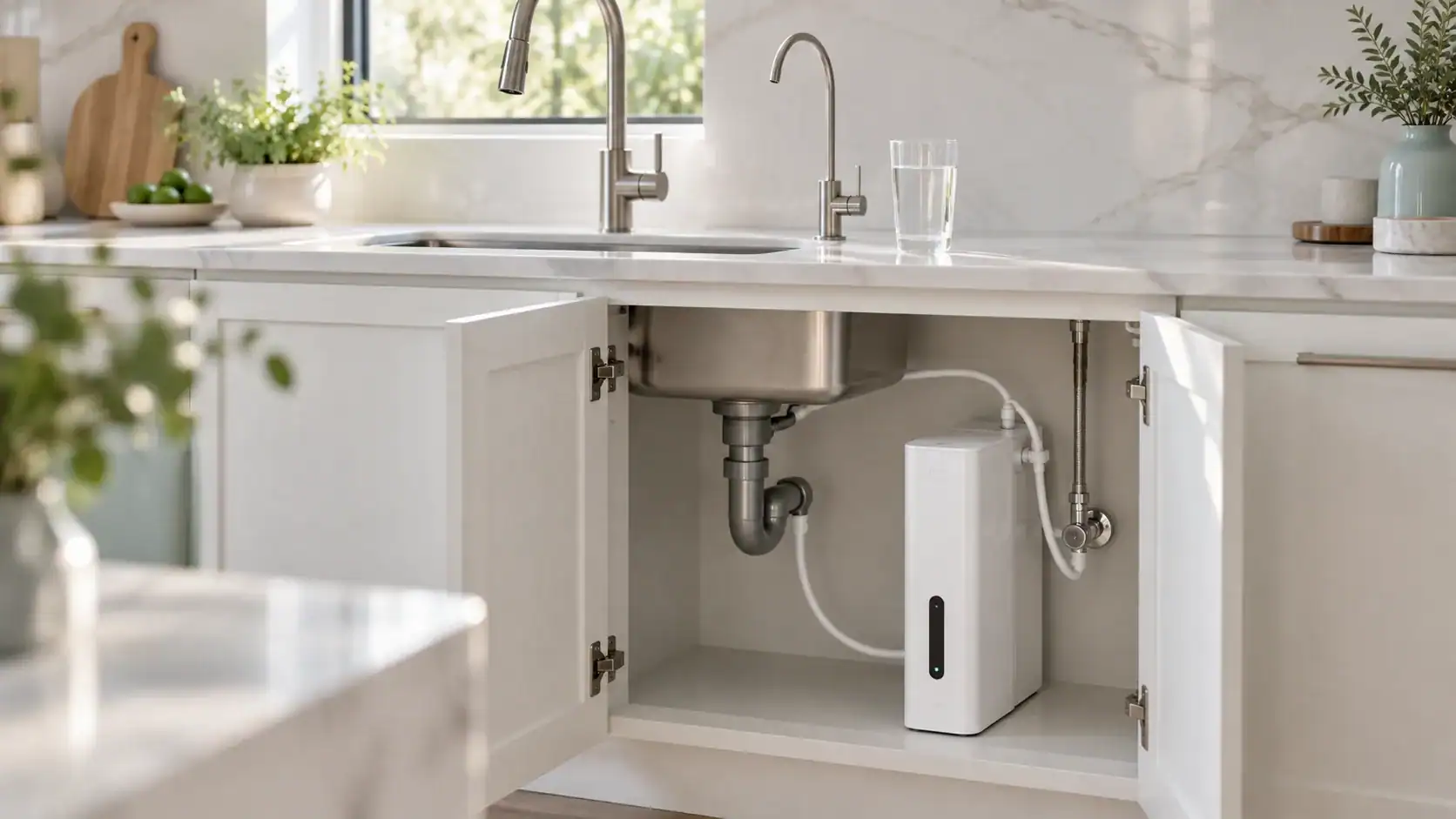
Only one reverse osmosis system we score is tankless by its maker’s own description, the Waterdrop G3P800, certified by IAPMO R&T for lead, fluoride and PFOA/PFOS.
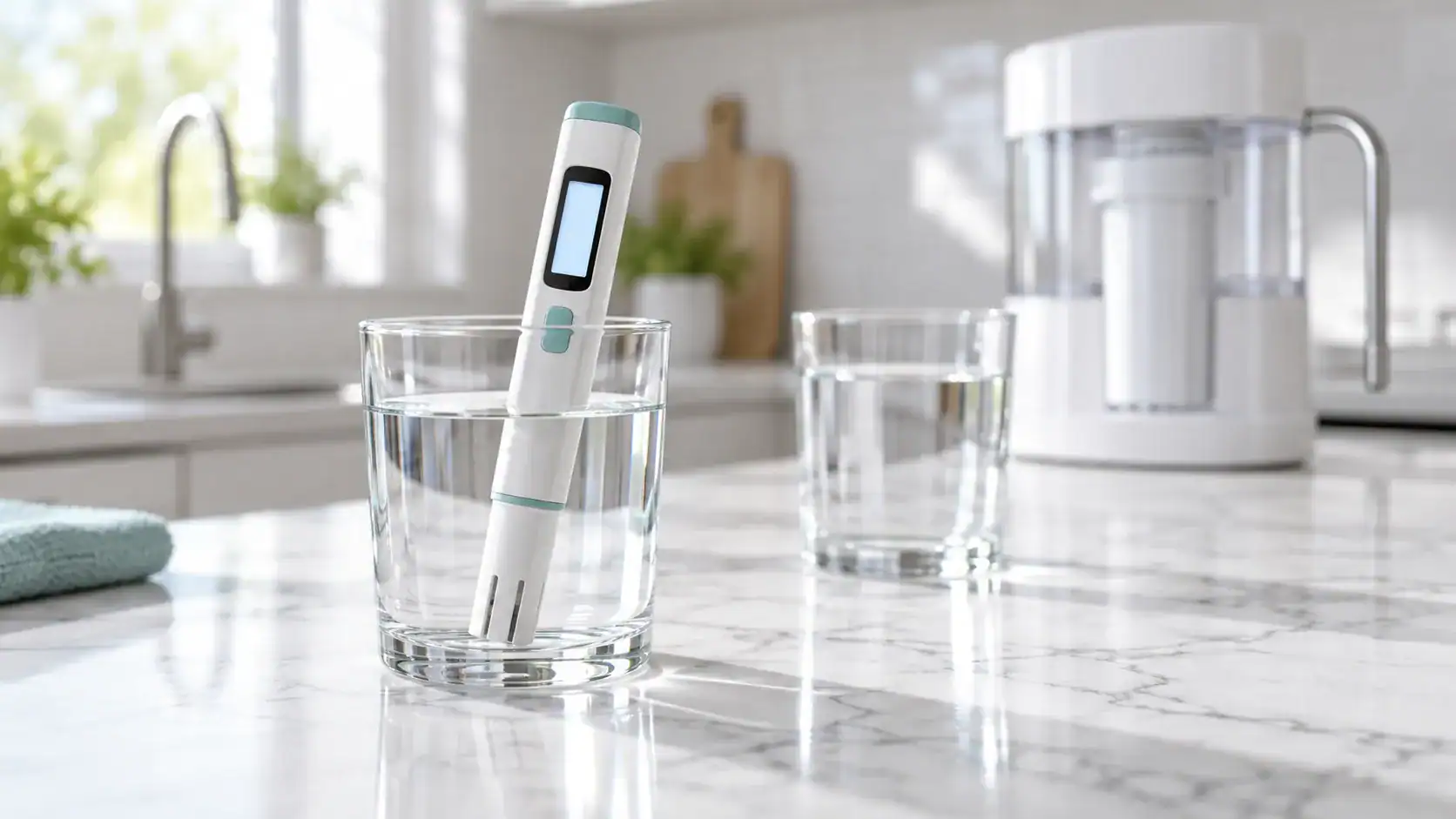
What TDS in water measures, the EPA guideline and WHO taste ratings, why the number alone isn’t a health score, and the treatments that lower it.
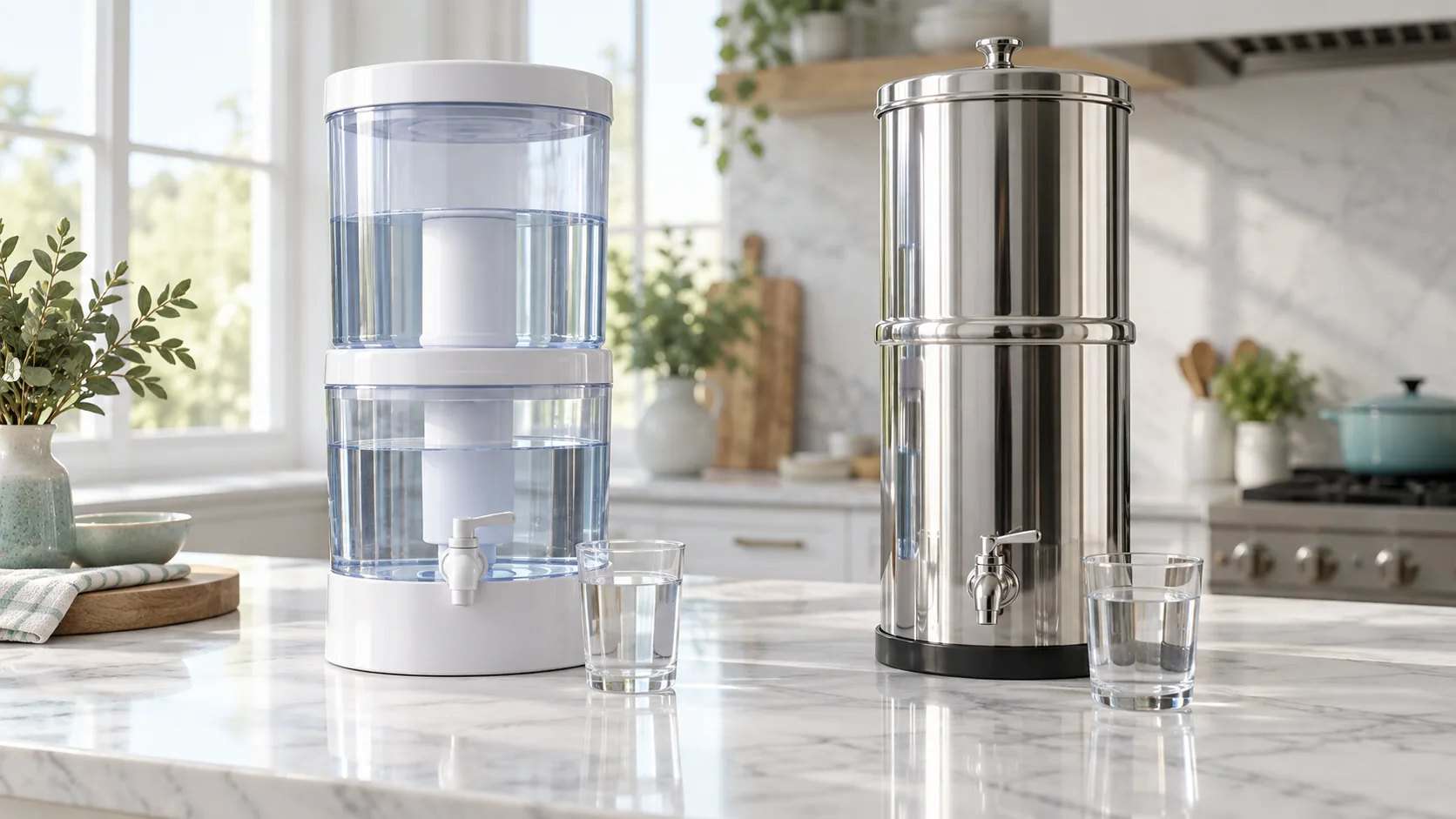
The MaxClear is certified for lead and Total PFAS by IAPMO R&T; the Berkey with Phoenix elements is certified only for chlorine, taste, and odor, but costs far less to run.
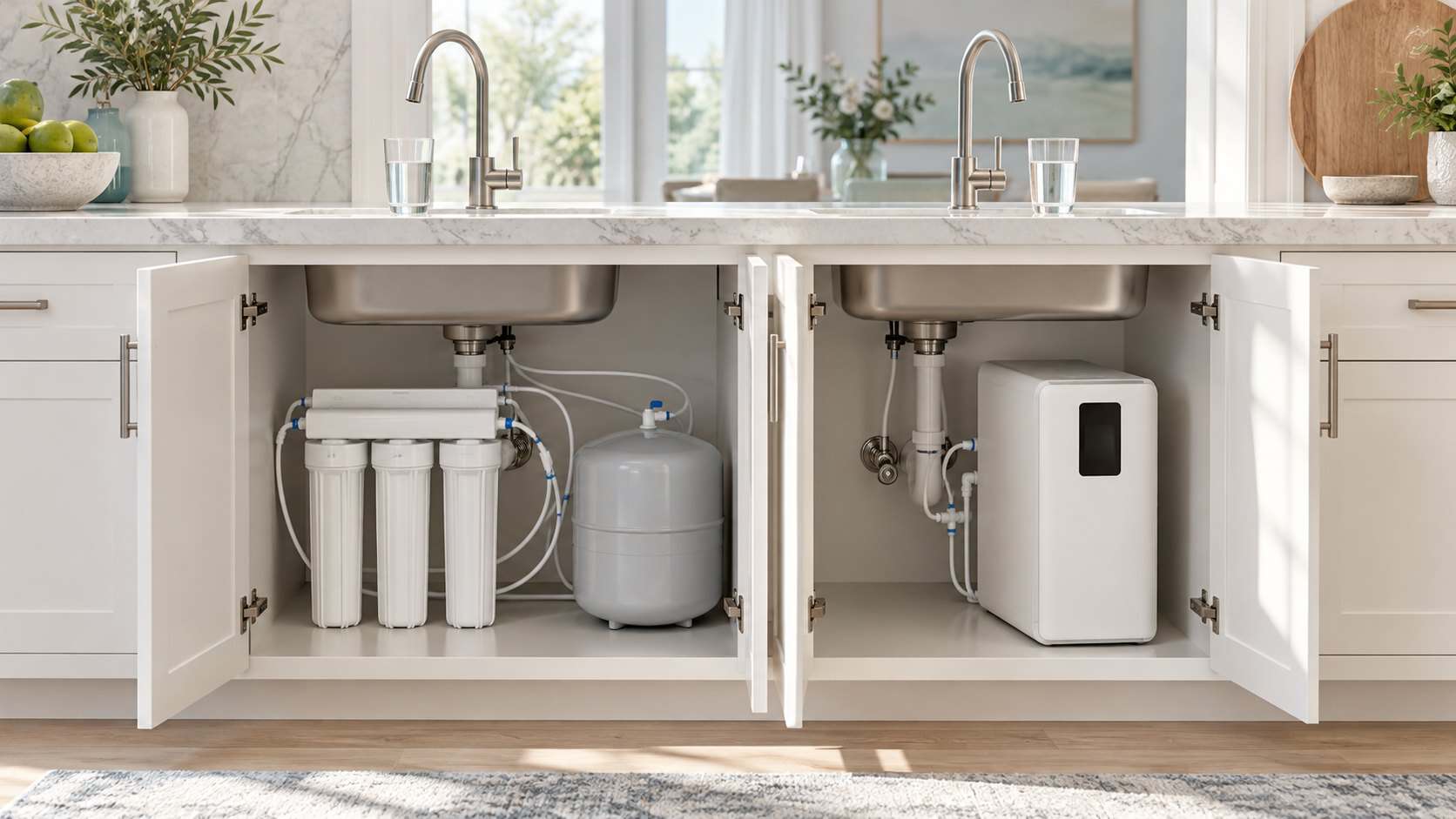
Both under-sink RO systems are certified for lead, fluoride and PFOA/PFOS, but the tankless Waterdrop G3P800 costs less to run while the Aquasana SmartFlow adds arsenic, nitrate and a remineralizer.
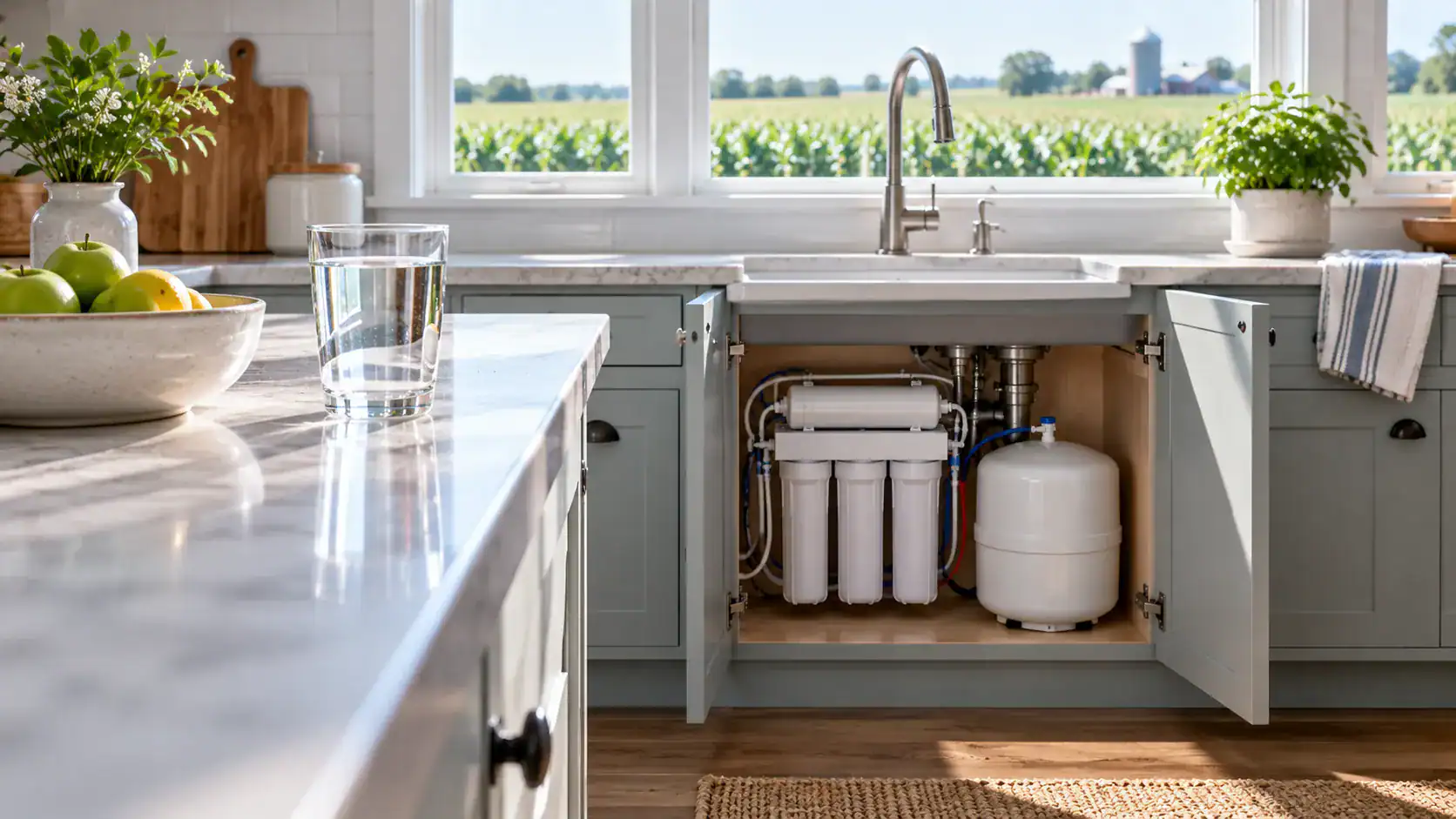
The filters certified to reduce nitrate, what the EPA limit means for infants and well owners, and why boiling makes nitrate worse.
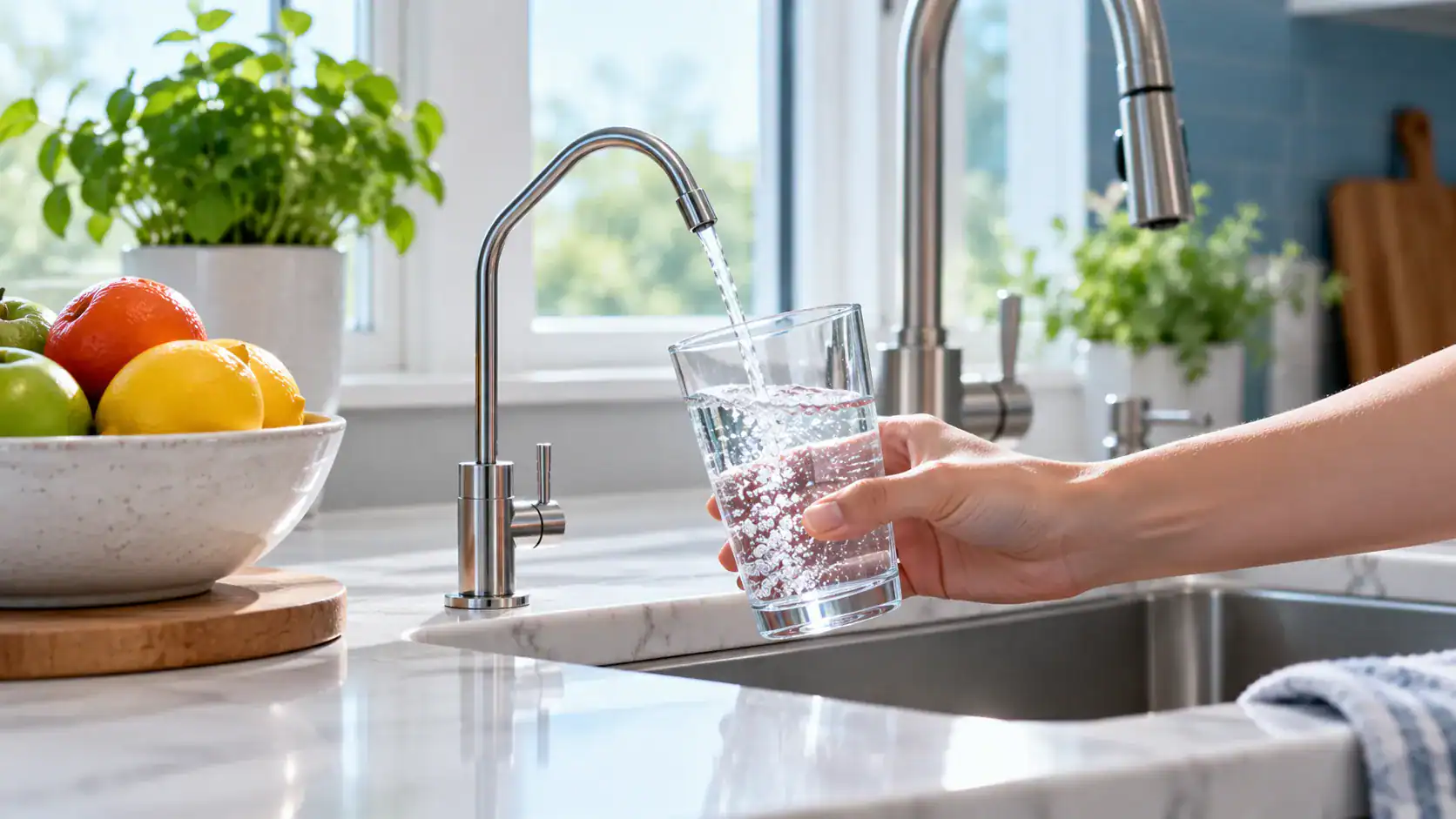
Reverse osmosis water is safe to drink and removes contaminants most filters miss. Here’s what you lose with the minerals, what the evidence says, and who should add them back.
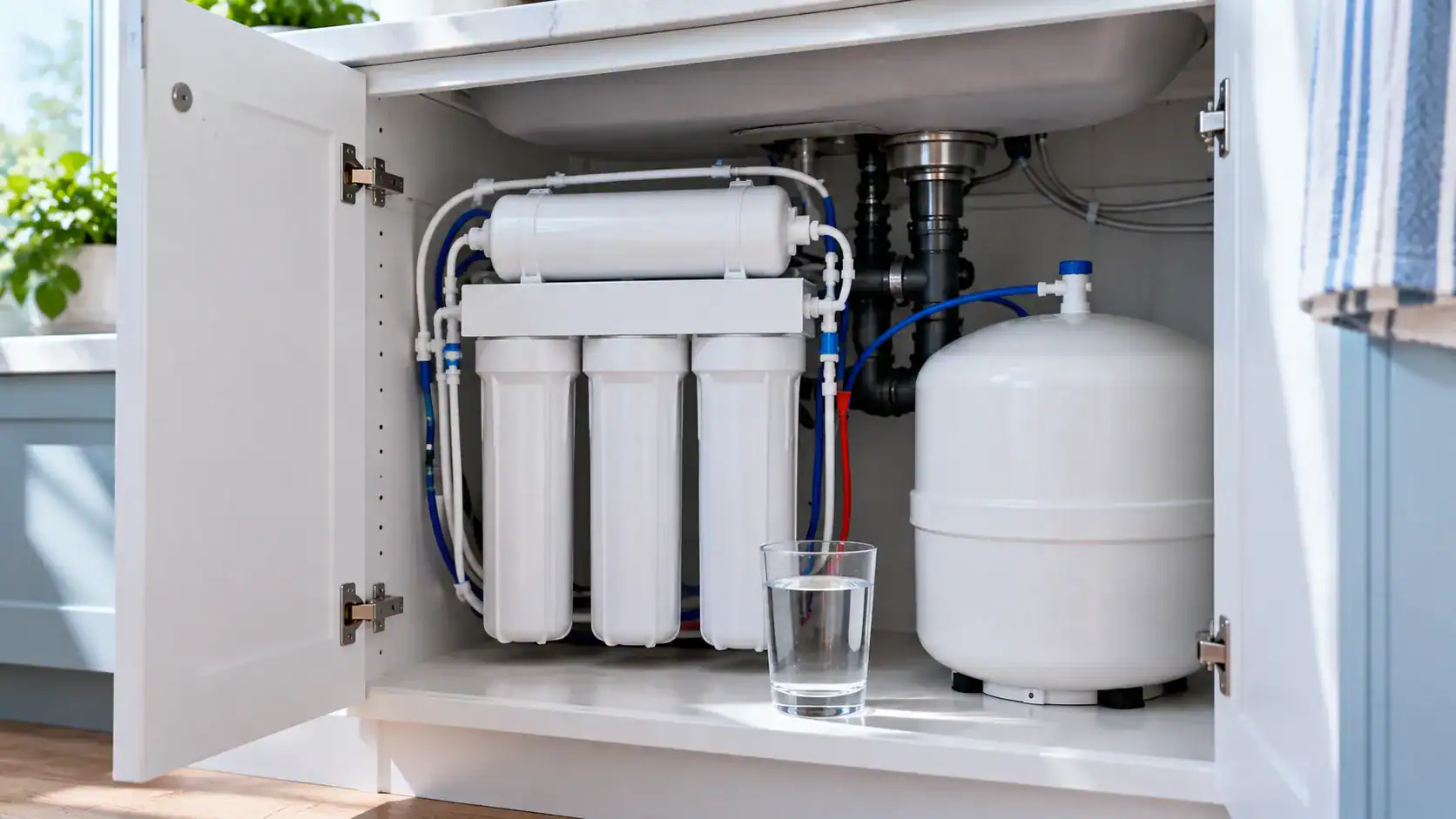
Reverse osmosis removes most PFAS, including the short-chain kinds carbon misses. Here’s how much it removes, which systems are certified, and what certification doesn’t yet prove.
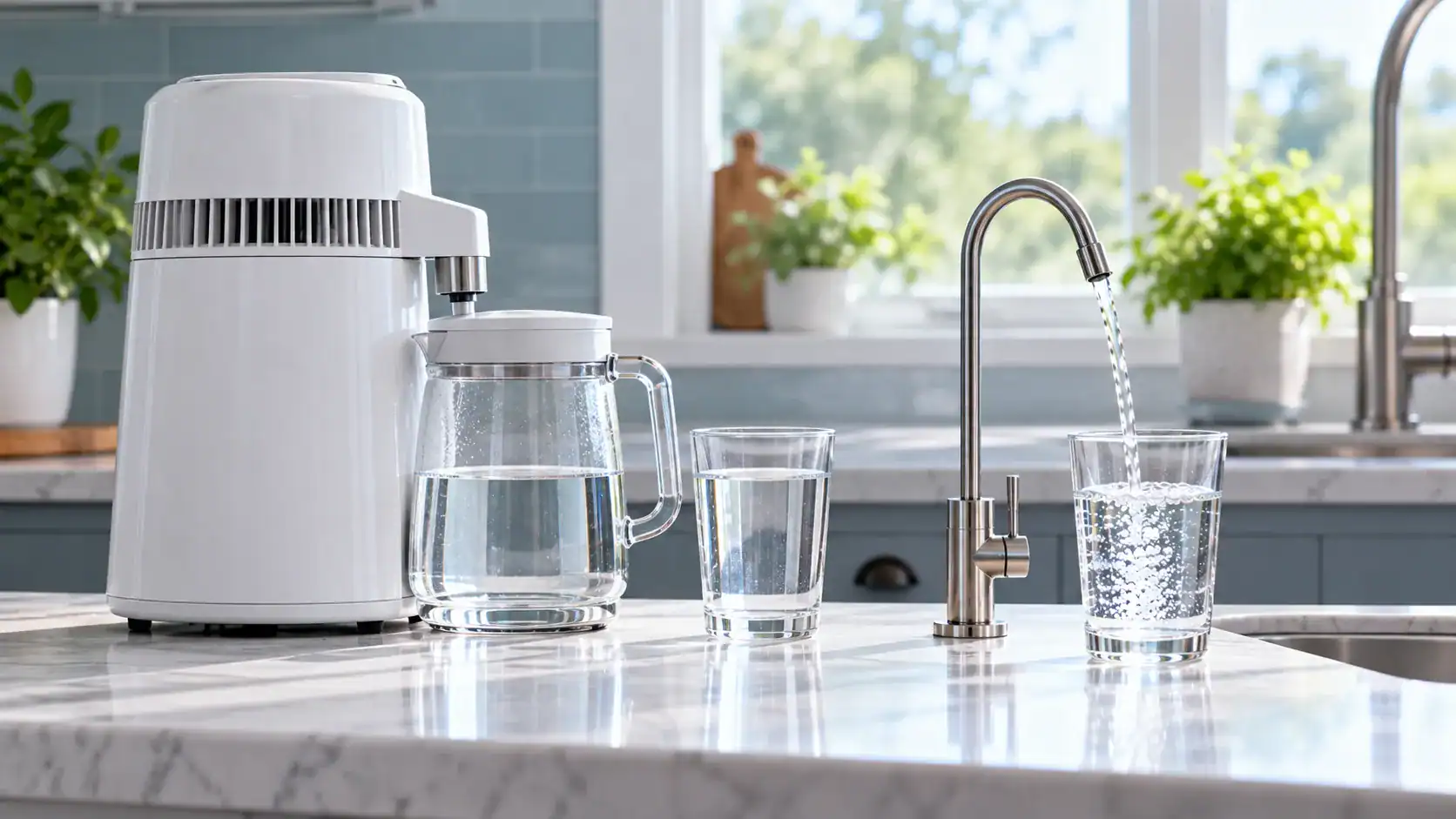
Distilled water has the fewest minerals, but reverse osmosis makes far more water for less money. Here’s what each removes, what each costs, and which to use for drinking and appliances.
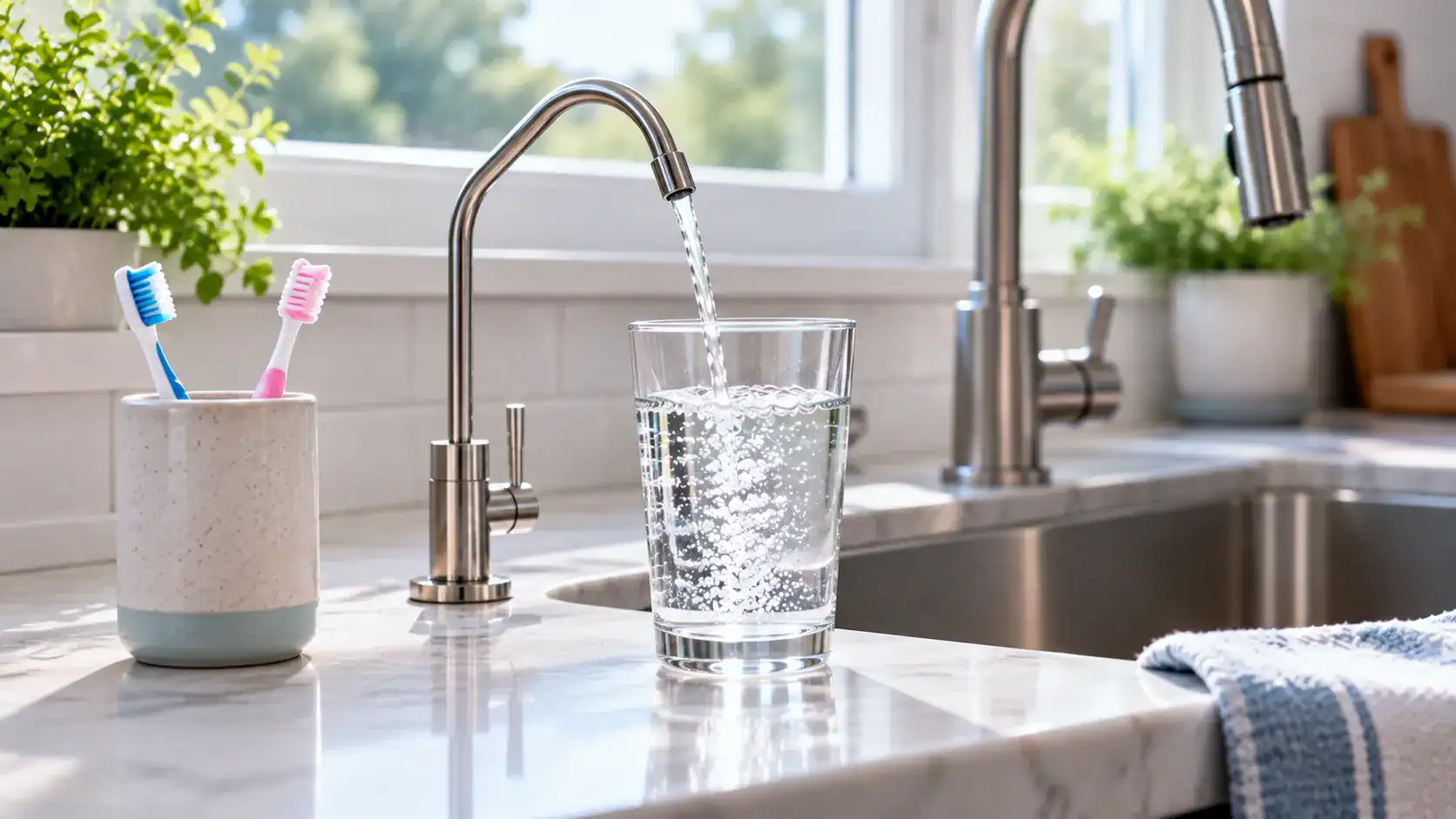
Yes, and certified systems prove it. How much fluoride RO removes, how the certification test works, which systems are certified for it, and what else removes fluoride.