Clear glass of drinking water on a bright kitchen counter, representing a comparison between AquaTru and Waterdrop filtration systems.

AquaTru vs Waterdrop

Two reverse osmosis systems, both certified by IAPMO R&T against the same standard, and the claim lists are not close. The Waterdrop costs twice as much and produces fifteen times more water a day.

Two glasses of drinking water on a bright kitchen counter, representing a comparison between water filtration options.

AquaTru vs Brita

A $375 countertop system against a $35 pitcher. Brita is certified for far more than most people assume, including an NSF/ANSI 401 list identical to AquaTru’s. What separates them is PFAS, fluoride and filter life.

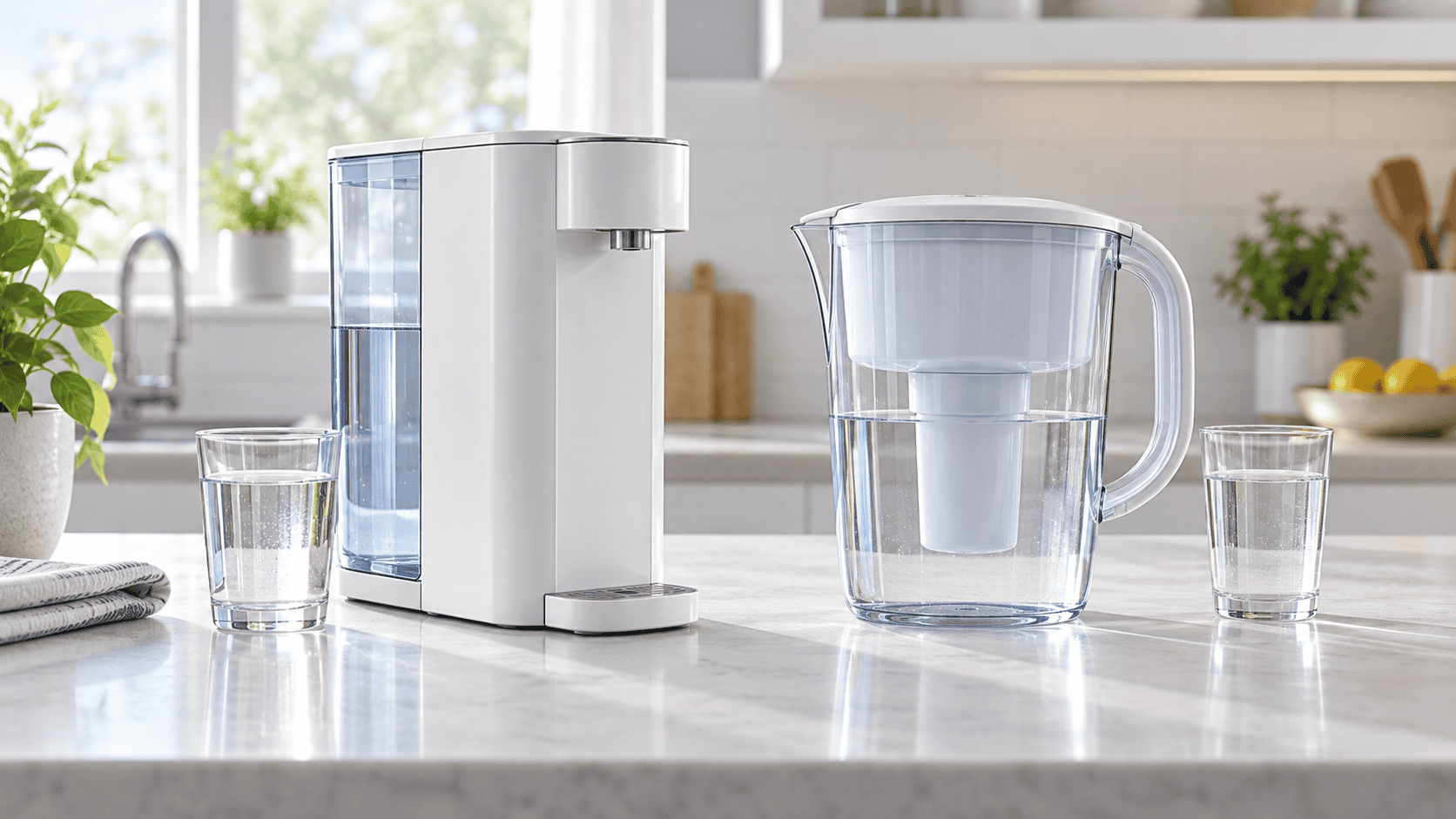
AquaTru countertop reverse osmosis system beside a ZeroWater filter pitcher in a bright kitchen.

AquaTru vs ZeroWater

A $27 pitcher against a $375 countertop system. On certified performance the gap is narrower than the price suggests, and each one wins something the other does not.

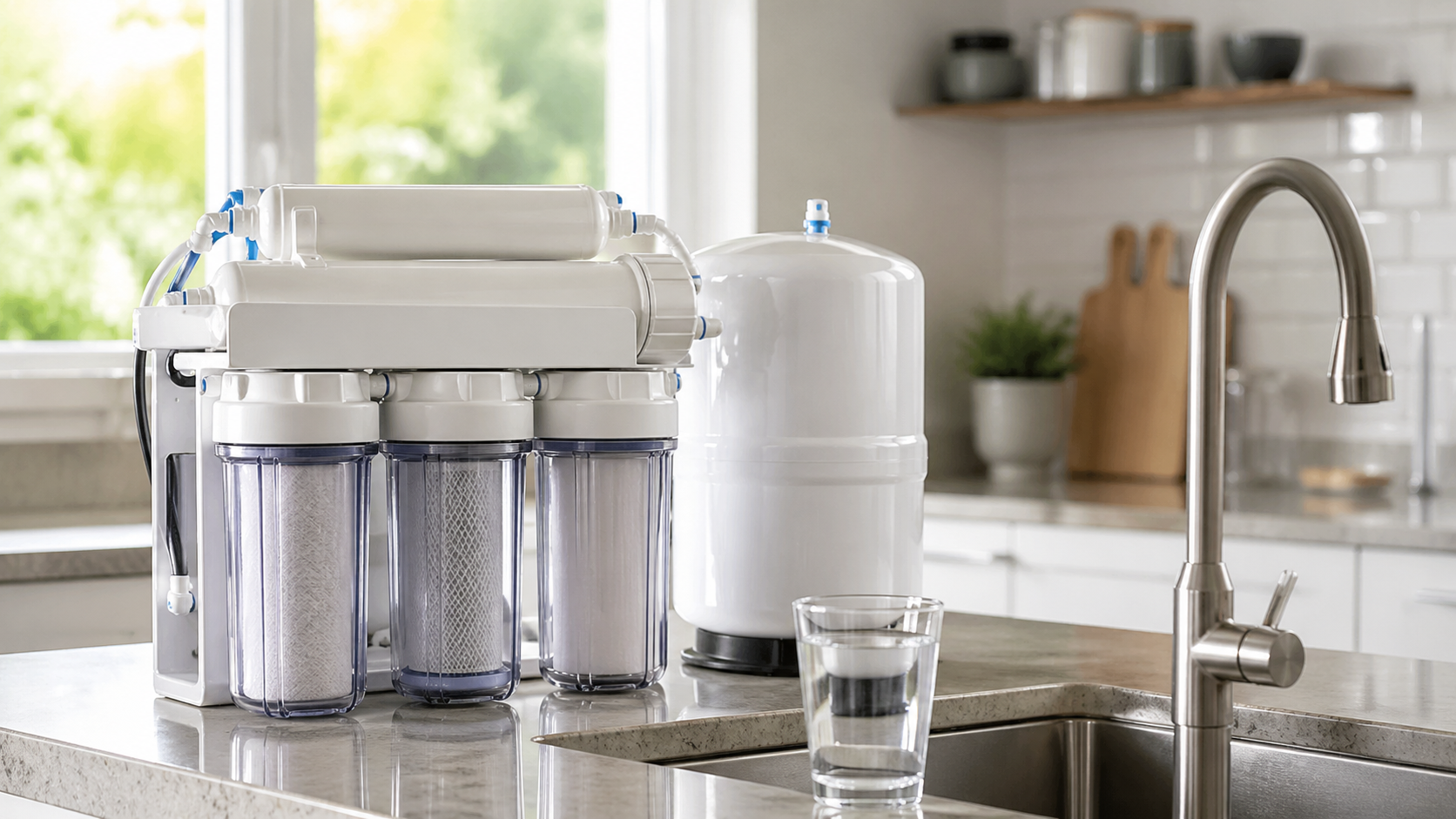
Reverse osmosis water filtration system with a glass of clear water beside a modern kitchen sink.

Best Water Filters for PFAS

Five filters hold a certified PFAS claim we could verify, split across two different standards claims. Plus where the EPA’s 2026 proposals actually stand.

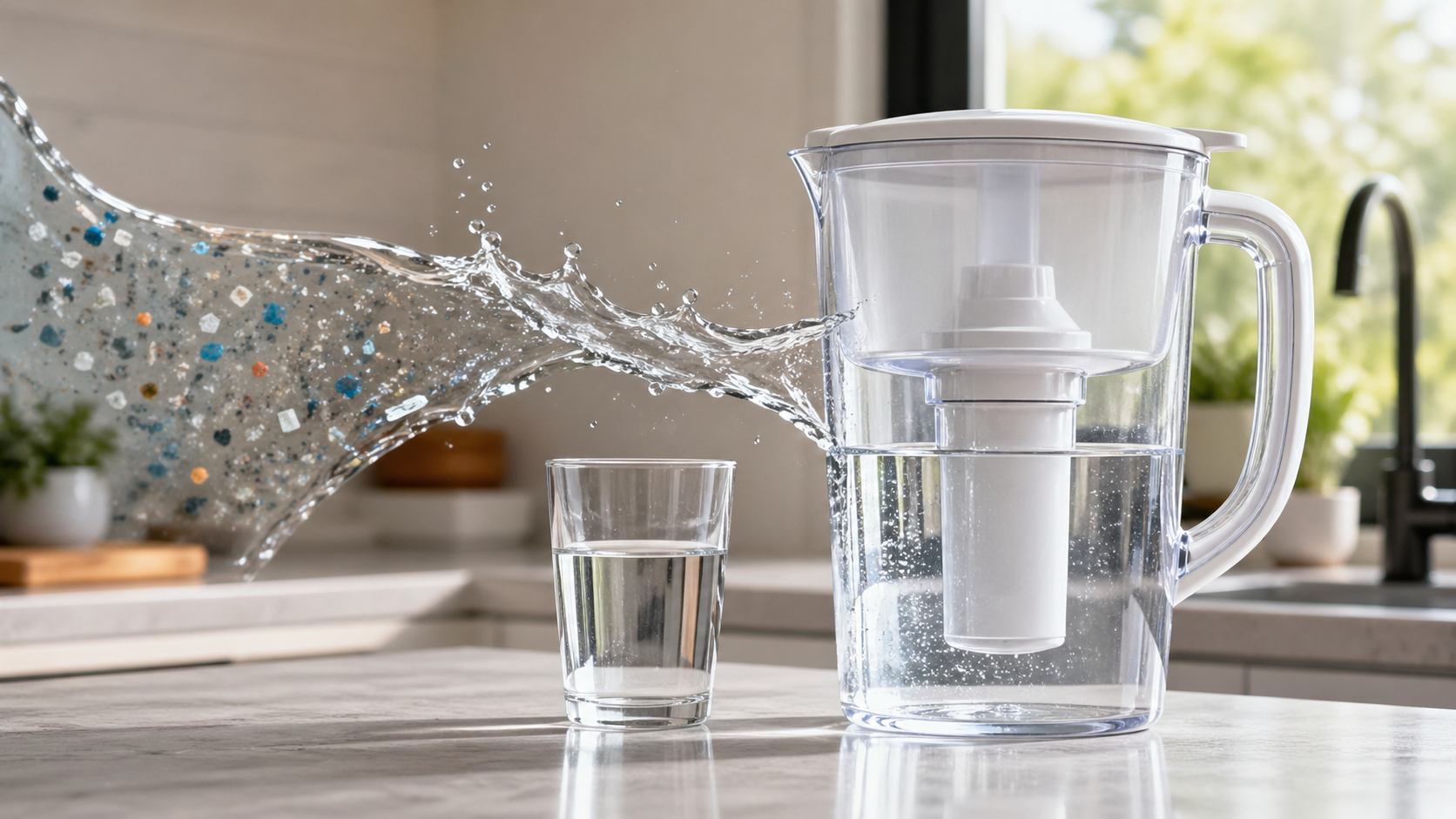
Water filter pitcher and glass of clean water beside a stream of water showing tiny microplastic particles.

Best Water Filters for Microplastics

Seven products hold a certified microplastics claim we could verify. Six are countertop, gravity, under-sink or plumbed-in systems. One is a pitcher, and its certification comes from WQA rather than NSF.

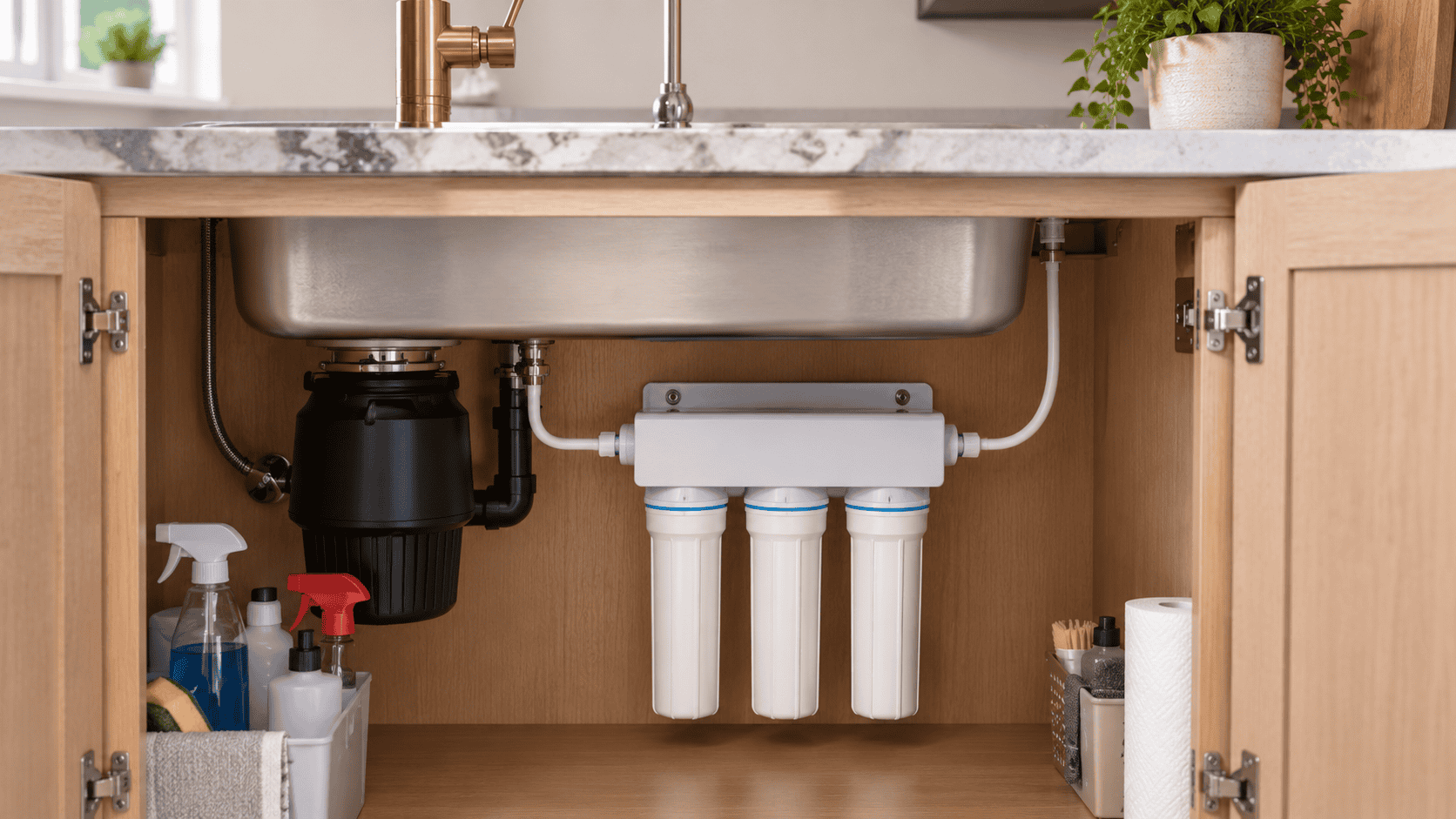
Three-stage under-sink water filtration system installed beneath a kitchen sink.

Aquasana Claryum 3-Stage Max Flow Review (2026): AQ-6300M

Aquasana’s Claryum 3-Stage Max Flow, formerly the AQ-5300+, is one of the few under-sink carbon systems with a genuine third-party certification behind it. WQA tested and certified to NSF/ANSI 42, 53 including P473, and 401, it reduces 78 contaminants including 99.6% of lead and microplastics and 99.7% of PFOA and PFOS, while leaving beneficial minerals in the water and producing no wastewater. Filters run 800 gallons or six months. It does not remove fluoride, arsenic or TDS, which is reverse osmosis territory.

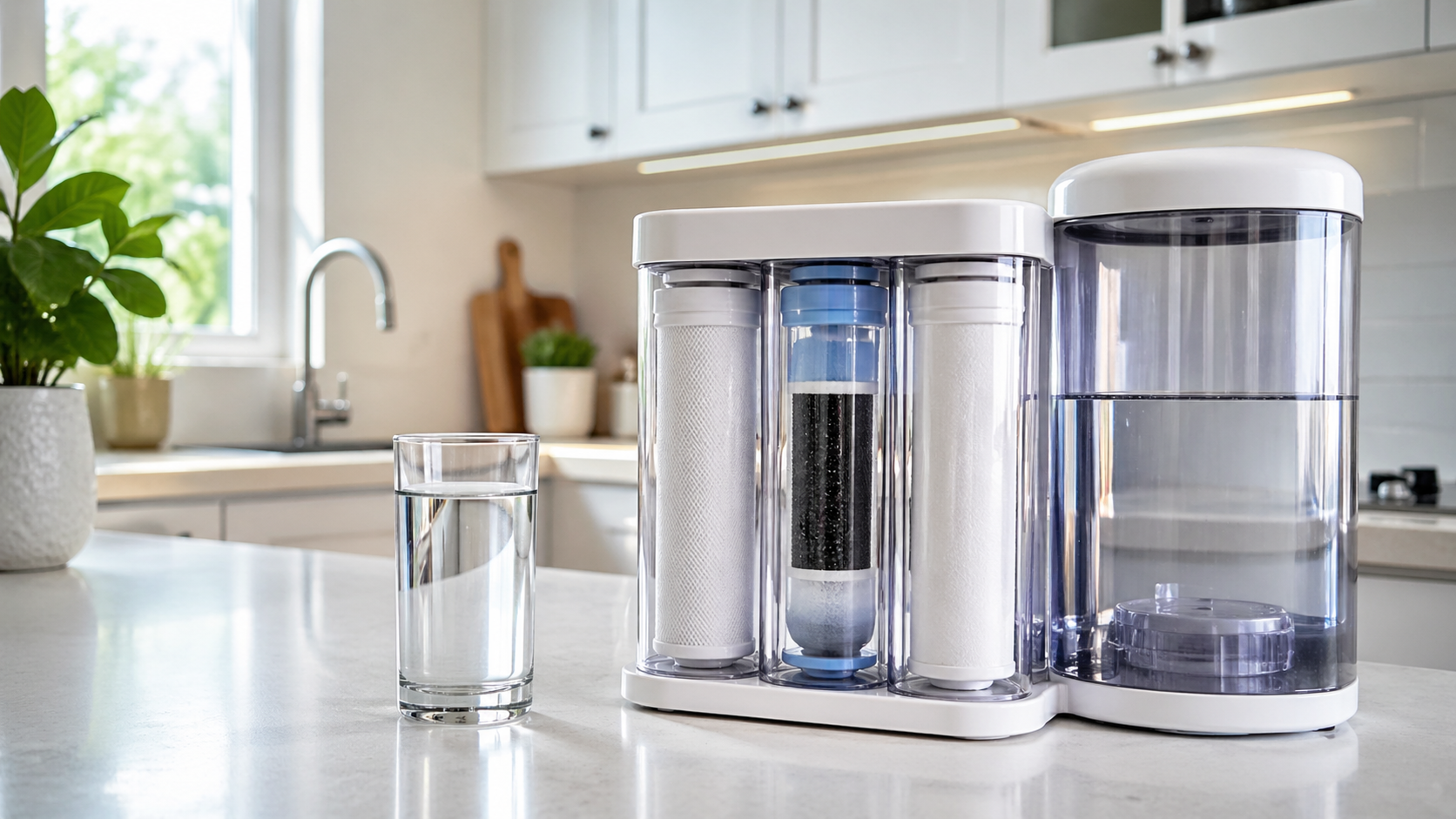
Countertop water filtration system with visible filter cartridges beside a glass of clear drinking water.

Best Water Filters for Fluoride: What Actually Works

Fluoride is one of the hardest things to filter, and almost nothing you already own touches it. It takes reverse osmosis, distillation, activated alumina or bone char. Here’s what’s certified, what’s only marketed, and how to tell the difference.