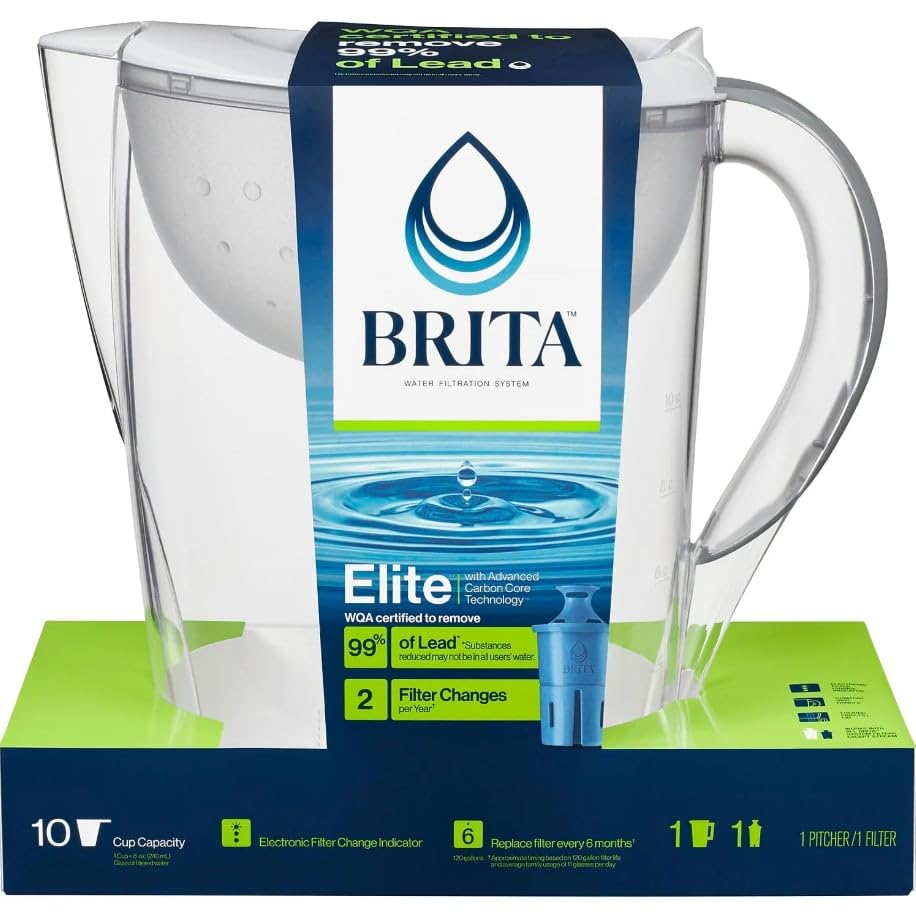
The Elite filter is certified for lead by IAPMO R&T, WQA and NSF International, in most Brita pitchers, and it lasts 120 gallons. It also has certified mercury, cadmium and chlorine reduction, and WQA certifies it for microplastics in most Brita pitchers.
The catch: Its PFOA/PFOS claim isn’t certified, the standard Brita filter has no lead claim, and there’s no fluoride or TDS reduction.
Health information, not medical advice. Guidance differs for infants, pregnancy and existing conditions. Test your own water and speak to a doctor or your local health authority. We may earn a commission when you buy through our links; it never affects our scores.
Our verdict
For most households on city water, the Brita Elite is a cheap, easy upgrade. Its filter lasts about 120 gallons, three times the standard Brita filter, so it costs about $0.14 a gallon at brita.com prices, a fraction of what ZeroWater filters cost to run. There’s nothing to install.
Its lead certification covers most Brita pitchers. IAPMO R&T certifies the Elite filter for lead in 11 Brita pitchers, including the Metro and Pacifica; WQA certifies the filter itself for lead, mercury and cadmium; and NSF International lists it for lead in the Pacifica and Tidal. The Everyday OB46 isn’t on IAPMO R&T’s list, so check the model number on the box. What isn’t certified is PFAS: Brita’s data sheet claims 98.1% PFOA/PFOS reduction, but none of the three certifiers lists it. It also doesn’t reduce fluoride or dissolved solids. Our NSF certification guide explains how to check a certifier’s listing yourself.
You’re on city water and want a cheap, low-effort pitcher with certified lead reduction, and you don’t need fluoride removed.
You need fluoride or TDS reduction, you want PFAS reduction you can verify, or your water is heavily contaminated or from a well.
How it scored
Contaminant reduction carries the most weight in the overall score. How we score filters
What it removes
The figures come from Brita’s Elite performance data sheet. The last column shows who lists each claim on its own public directory, which is the test we use for every filter.
| Contaminant | Reduction | Independent listing |
|---|---|---|
| LeadNSF/ANSI 53 | 99.5% / 99.6% | IAPMO R&T (11 pitchers), WQA, and NSF International (Pacifica, Tidal) |
| Mercury, cadmiumNSF/ANSI 53 | Reduced | WQA |
| Chlorine, particulates (Class I)NSF/ANSI 42 | 97.4% and 99.6% | WQA |
| PFOA / PFOSNSF/ANSI 53 | 98.1% | Brita’s claim; not listed by IAPMO R&T, WQA or NSF International |
| MicroplasticsNSF/ANSI 401 | – | WQA, in most Brita pitchers (not the Tahoe) |
| Fluoride, total dissolved solids | – | No claim |
Where two figures appear for lead, they are results at pH 6.5 and pH 8.5. IAPMO R&T file W-13905 (NSF/ANSI 53) lists the Elite (OB06) for lead at 120 gallons in the Everyday, Huron and Tahoe (OB60), Marina (OB47), Metro and Slim (OB11), Wave (OB53), Pacifica (OB41), Space Saver (OB21), UltraMax (OB24) and Denali (OB62). WQA lists the Longlast OB06 element for lead, mercury, cadmium, asbestos and benzene, and for chlorine. Checked 7 October 2026. Your pitcher’s model number is on the box.
What it costs to run
One Elite filter is rated for 120 gallons, so two filters cover most households for a year. At brita.com’s price of $32.99 for a 2-pack, that’s about $0.14 a gallon, and less if you find the 2-pack cheaper elsewhere.
Pros and cons
Strengths
- Far cheaper to run than ZeroWater pitchers
- Long filter life: about 120 gallons or 6 months
- Lead certified by IAPMO R&T, WQA and NSF International
- Clean taste and nothing to install
What to know
- PFOA/PFOS claim isn’t certified
- Lead listing depends on the pitcher model (not the Everyday OB46)
- No fluoride or TDS reduction
- Only the Elite filter has a lead claim, not the standard one
What owners say
Owners like how cheap and low-effort it is, and how long the filter lasts. The most common frustration is buying the standard filter by mistake.
Often praised
- Cleaner taste than straight tap water
- Filters that last months, not weeks
- Low running cost
Common complaints
- Confusion between the Elite and standard filters
- Slow flow if the filter isn’t seated or flushed
- Not enough for heavily contaminated or well water
Recurring themes across verified buyer reviews.
Specifications
- Filter
- Brita Elite (OB06)
- Pitcher we link to
- Pacifica (OB41)
- Capacity
- 10 cups
- Filter life
- 120 gal, about 6 months
- Lead certifiers
- IAPMO R&T (W-13905), WQA, NSF International
- Other listings
- WQA: mercury, cadmium (NSF/ANSI 53); chlorine, particulates (NSF/ANSI 42)
- Fluoride, TDS
- Not reduced
- Replacement filters
- 2-pack $32.99 at brita.com
Alternatives worth considering
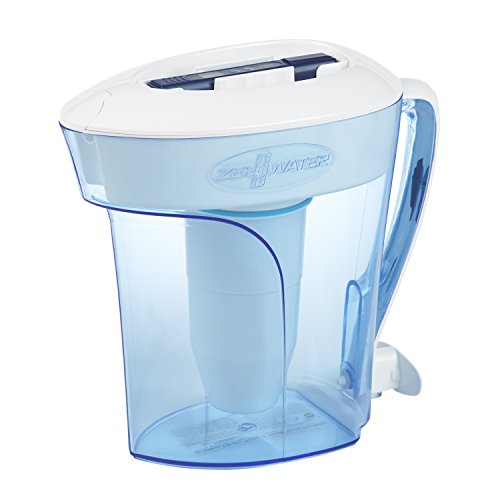
ZeroWater 10-Cup
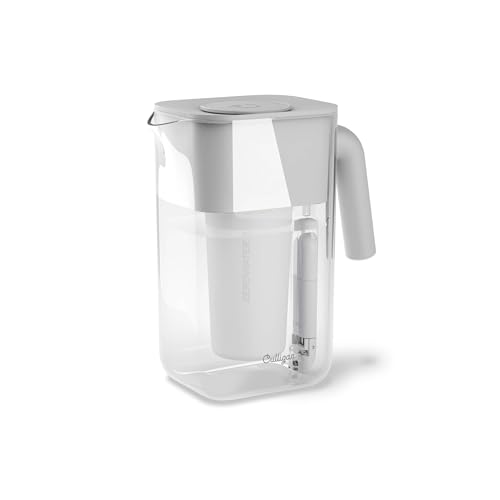
Culligan ZeroWater
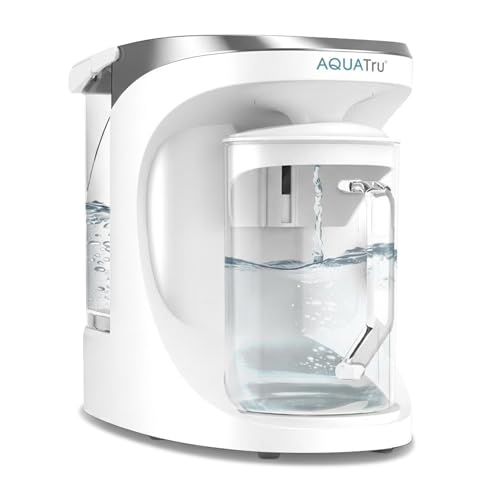
AquaTru Carafe
Common questions
Does the Brita Elite remove lead?
Yes. It’s certified for lead to NSF/ANSI 53 by IAPMO R&T in 11 Brita pitchers, including the Metro and Pacifica, by WQA, and by NSF International in the Pacifica and Tidal. Brita reports 99.5% or more. The Everyday OB46 isn’t on IAPMO R&T’s list. See our lead guide.
Does the standard Brita filter remove lead?
No. The standard filter, now sold as the Brita Original, has no lead claim. Only the Elite filter does, so check that the box says Elite.
Does the Brita Elite remove PFAS?
Brita’s data sheet claims 98.1% reduction of PFOA and PFOS, but we found no listing for it at IAPMO R&T, WQA or NSF International, so it isn’t certified. For certified PFAS reduction in a pitcher, see the PUR PLUS or Culligan ZeroWater, or our PFAS guide.
Does it lower TDS or remove fluoride?
No. It has no claim for either. For near-zero TDS from a pitcher, see the ZeroWater; for certified fluoride reduction, see the Culligan ZeroWater or reverse osmosis.
How long does the Elite filter last?
About 120 gallons or six months, three times the standard filter’s 40 gallons or two months.
The bottom line
If you want the cheapest, lowest-effort way to get certified lead reduction from a pitcher, buy the Brita Elite, make sure the box says Elite, and don’t expect fluoride or TDS reduction. If you want more certified removal from a pitcher, see the Culligan ZeroWater; for reverse osmosis without plumbing, the AquaTru Carafe. Compare the big three in our Brita vs PUR vs ZeroWater guide.
- Certifier listings: IAPMO R&T file W-13905 (NSF/ANSI 53), Brita LP: Elite OB06, lead, 120 gal, in Everyday, Huron and Tahoe (OB60), Marina (OB47), Metro and Slim (OB11), Wave (OB53), Pacifica (OB41), Space Saver (OB21), UltraMax (OB24) and Denali (OB62). WQA, Brita LP: Longlast OB06 element, NSF/ANSI 53 (asbestos, benzene, cadmium, lead, mercury) and NSF/ANSI 42 (chlorine, particulates, taste and odor). NSF International: OB06, lead, in Pacifica (OB41) and Tidal (OB63).
- Also searched: IAPMO R&T WP-31006 (NSF/ANSI 53): Brita BUSS01 under-sink system only. No PFOA/PFOS listing for the Elite at IAPMO R&T, WQA or NSF International.
- Maker documents: Brita Elite performance data sheet and brita.com filter prices.
- Independent lab tests: None used.
Sources
Prices as of October 14, 2026. Product prices and availability are accurate as of the date/time indicated and are subject to change. As an Amazon Associate we earn from qualifying purchases.