Health information, not medical advice. Guidance differs for infants, pregnancy, and existing conditions. Test your own water and speak to a doctor or your local health authority. We may earn a commission when you buy through our links; it never affects our scores.
The short answer
The best well water filtration system is the one matched to your test results. Test first, then fix each problem with the right equipment: a UV system certified to NSF/ANSI 55 Class A for bacteria, an iron filter for iron, sulfur, and manganese, a softener for hardness, and a certified reverse osmosis filter at the kitchen tap for arsenic, nitrate, lead, and PFAS.
No single whole-house system does all of that, and most well equipment carries no reduction certification at all. Where a certification exists, we name the certifier and the standard below.
Test Your Well Water First
Nobody tests a private well for you. The EPA doesn’t regulate private wells, so the owner is responsible. Test at least once a year for bacteria and nitrate, and get a full panel when you move in or before you buy treatment.
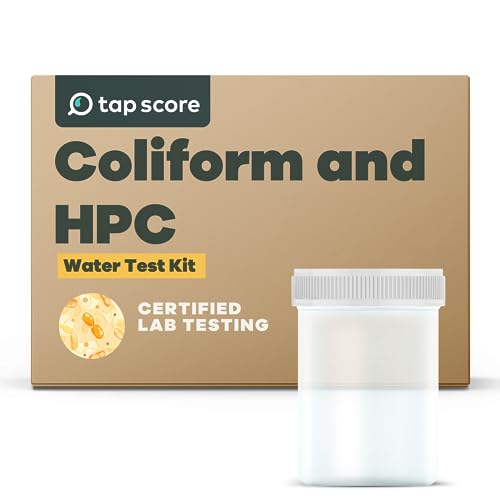
The easiest way is a mail-in lab kit: you fill the bottles at your tap and mail them to a certified lab, with prepaid shipping. Your state or county health department may also list certified labs.


What to Install for Each Test Result
| If your test shows | Install | Look for |
|---|---|---|
| Coliform or E. coli bacteria | Whole-house UV, after any iron or hardness treatment | NSF/ANSI 55 Class A |
| Iron, sulfur smell, manganese | Whole-house iron filter (air injection or oxidation) | Rated limits above your levels; certification is rare |
| Hardness (scale) | Water softener | NSF/ANSI 44 |
| Arsenic | Reverse osmosis at the kitchen tap | NSF/ANSI 58, arsenic V |
| Nitrate | Reverse osmosis at the kitchen tap | NSF/ANSI 58, nitrate/nitrite |
| Lead, PFAS, fluoride | Certified RO or carbon at the tap; whole-house for PFAS | NSF/ANSI 53 or 58 |
| Sediment, cloudiness | Sediment pre-filter | Micron rating |
Treatment order matters: sediment and iron removal come first, then softening, then UV last, because iron, hardness, and cloudy water shield bacteria from UV light. UV makers set limits for iron, manganese, and hardness going into the unit.
Which UV System Kills Bacteria in Well Water?
Choose one certified to NSF/ANSI 55 Class A, which requires a UV dose of 40 mJ/cm² and is meant for water that may contain bacteria and viruses. Class B units are for extra treatment of water that is already disinfected, such as chlorinated city water, and aren’t meant for untreated well water.
NSF International lists only a few whole-house Class A brands. Viqua’s PRO series is the one sold on Amazon; the PRO20 and PRO30 handle 20 and 30 gpm. Luminor’s Class A models (LBH6-15XA at 5.4 gpm, LBH6-25XA at 7.9 gpm) are sold through dealers.
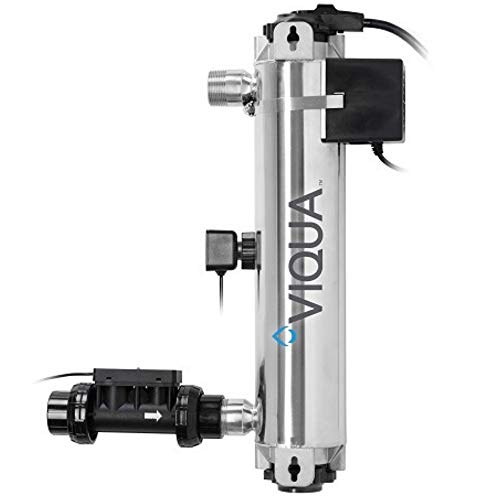
Popular Viqua models such as the VH200 and VH410 are certified to NSF/ANSI 55 Class B only, as are Aquasana’s UV add-ons. Check the class on the listing before you buy for well water.
How Do You Remove Iron and Sulfur From Well Water?
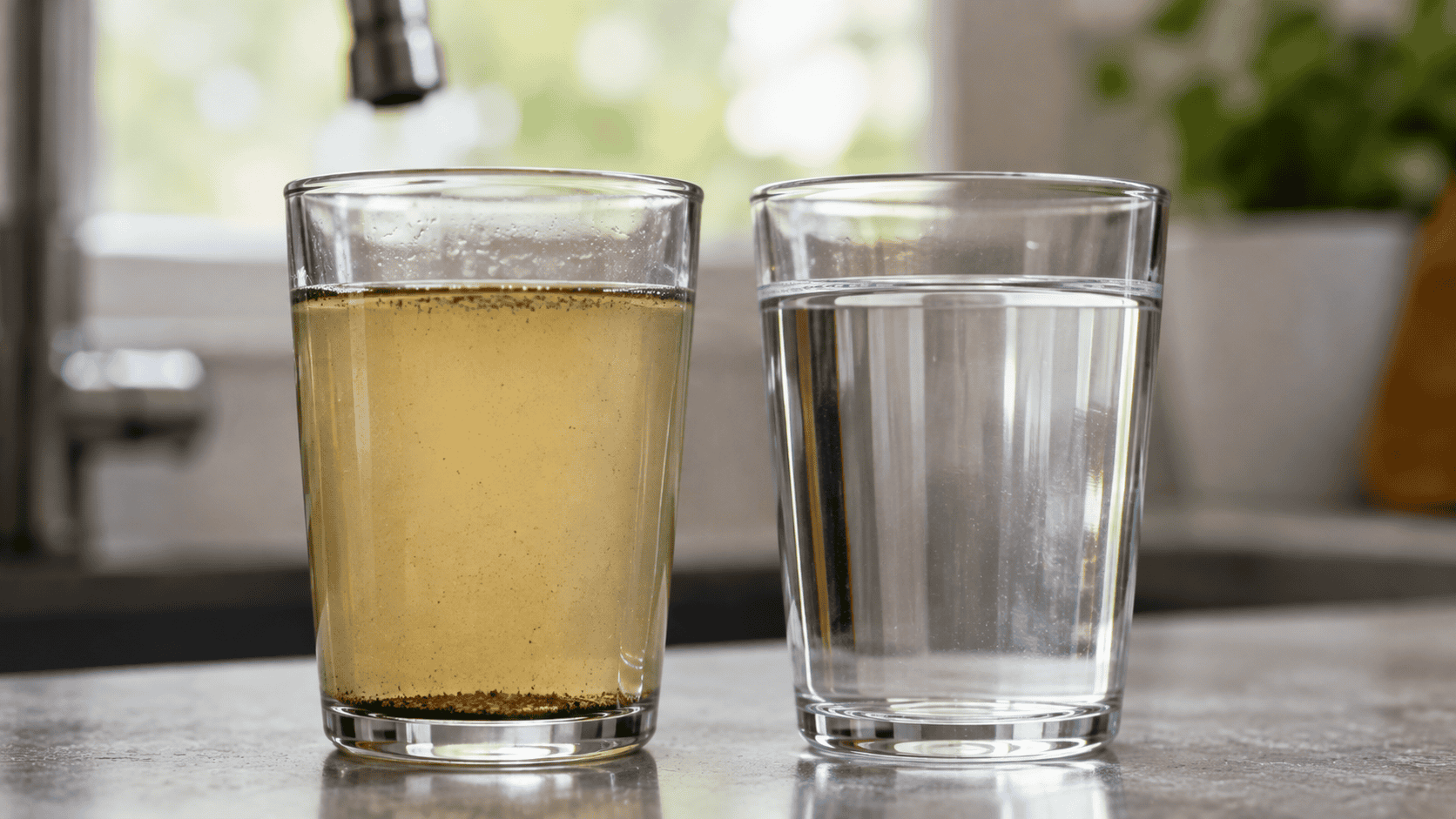
An air-injection or oxidation iron filter turns dissolved iron, manganese, and hydrogen sulfide into particles it can trap, then backwashes them away. These systems are rarely certified for iron or sulfur, so compare each maker’s rated limits with your test results.
SpringWell WS
How Do You Remove Arsenic, Nitrate, and PFAS From Well Water?
Use a certified reverse osmosis system at the kitchen tap, where you drink and cook. Arsenic claims under NSF/ANSI 58 cover arsenic V; if your test shows arsenic III, it usually needs to be oxidized first, so ask your installer or lab.
| # | Filter | Score | Certified by | Lead | PFAS | Fluoride | Running cost | Price |
|---|---|---|---|---|---|---|---|---|
| 01 | AquaTru CarafeArsenic and nitrate, no plumbingCountertop RO | 4.6 | IAPMO R&T | Certified | Certified | Certified | $0.33/gal | $356.25on Amazon › |
| 02 | Aquasana SmartFlow ROArsenic V, nitrate, PFOA/PFOSUnder-sink RO | 4.1 | WQA | Certified | Certified | Certified | $0.49+/gal | $239.99on Amazon › |
| 03 | APEC RO-90Arsenic V at 300 ppbUnder-sink RO | 4.2 | WQA | Certified | No | Certified | $60 to $75/yr | $219.16on Amazon › |
| 04 | Aquasana HealthShieldPFAS at every tapWhole house | 3.1 | WQA | No | Certified | No | About $875/yr | See priceat Aquasana › |
Certified: Certified by an independent body (named in each pick). Lab test: Tested by a named independent lab, not certified. Claim: The maker's claim, not certified. No: No claim. PFAS means PFOA/PFOS, or Total PFAS where the pick says so.
For more options, see our reverse osmosis guide and PFAS filter guide.
What Does Well Water Treatment Cost?
A full mail-in panel costs about $270, and a bacteria-only test about $205. The Viqua PRO10 Class A UV is about $3,175, plus a replacement lamp about every two years. A certified under-sink RO costs about $230 to $500, with filters from about $60 to $250 a year. Iron filters and softeners vary widely with your water and flow, so get quotes based on your test results.
Common questions
What is the best well water filtration system?
There isn’t one system for every well. Test first, then combine what you need: an NSF/ANSI 55 Class A UV like the Viqua PRO10 for bacteria, an iron filter for iron and sulfur, and a certified RO such as the Aquasana SmartFlow for arsenic and nitrate at the tap.
Does a whole-house filter remove bacteria from well water?
No. Carbon and iron filters don’t disinfect. You need UV certified to NSF/ANSI 55 Class A, or another disinfection method, installed after any iron or hardness treatment.
How often should I test my well water?
At least once a year for bacteria and nitrate, and after flooding, nearby construction, or any change in taste, color, or smell. Test a full panel when you move in.
Can I test well water at home?
Yes, with a mail-in lab kit such as the Tap Score Advanced Home Water Test. You collect the samples and a certified lab analyzes them. Instant strips can screen for hardness or pH but not for bacteria, arsenic, or PFAS reliably.
Do I need a water softener for well water?
Only if your test shows hard water. A softener certified to NSF/ANSI 44 reduces hardness; it doesn’t remove bacteria, arsenic, or PFAS. If you also need UV, install the softener before it.
Are well water filters NSF certified?
Some are. UV systems can be certified to NSF/ANSI 55, softeners to NSF/ANSI 44, and drinking water filters to NSF/ANSI 42, 53, or 58. Most whole-house iron and sulfur systems have no reduction certification, so check each listing.
Sources
Prices as of October 14, 2026. Product prices and availability are accurate as of the date/time indicated and are subject to change. As an Amazon Associate we earn from qualifying purchases.