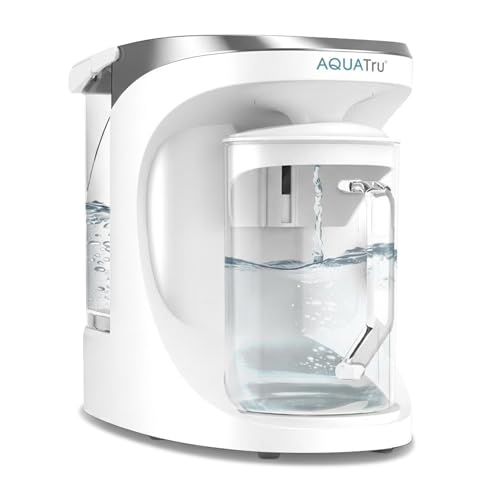
The best water for baby formula is safe tap water, and the CDC says most babies can have formula mixed with tap water, filtered or not. If your water has lead or nitrate, or you want low-fluoride water, use a filter certified for it. The AquaTru Carafe is certified by IAPMO R&T for lead, nitrate, fluoride, and PFOA/PFOS, with no plumbing.
The catch: A filter doesn’t kill germs. For babies younger than 2 months, premature, or with a weakened immune system, follow the CDC’s boiling steps too.
Health information, not medical advice. Ask your pediatrician about water for your baby, especially for newborns, premature babies, and babies with health conditions. We may earn a commission when you buy through our links; it never affects our scores.
The short answer
For most babies, safe tap water is fine for mixing formula: the CDC says filtered or unfiltered tap water is acceptable most of the time. A filter makes sense when your water has something a certified filter reduces:
- Lead, from old service lines or plumbing. The EPA says there is no safe level of exposure to lead.
- Nitrate, mostly a private well issue. Infants under six months who drink water above the EPA limit of 10 mg/L can become seriously ill.
- Fluoride, if you or your pediatrician prefer low-fluoride water. The New York State Department of Health rates the fluorosis risk from formula made with fluoridated water as low, and lists reverse osmosis filtered water as a low-fluoride option for parents who are concerned.
Should you use tap, filtered, or bottled water?
| Water | When it’s a good choice |
|---|---|
| Tap water | Your utility’s water quality report shows no lead or other concerns, and your home doesn’t have lead pipes. The CDC says it’s fine for most babies. |
| Filtered water | You want lead, nitrate, or fluoride reduced. Use a filter certified for the contaminant, not one that only improves taste. |
| Bottled water | During a boil-water notice or other emergency, until local authorities say the tap water is safe. Bottled water labeled purified, distilled, deionized, or reverse osmosis is low in fluoride. |
The CDC says water contaminated with chemicals or toxins can’t be made safe by boiling, disinfecting, or filtering. If your utility issues that kind of warning, use bottled water or ready-to-feed formula.
Which filters are certified for what matters for formula?
All four are certified for lead and fluoride, and three for nitrate. How we score
| # | Filter | Score | Certified by | Lead | PFAS | Fluoride | Running cost | Price |
|---|---|---|---|---|---|---|---|---|
| 01 | AquaTru CarafeBest overallCountertop RO | 4.6 | IAPMO R&T | Certified | Certified | Certified | $0.33/gal | $356.25on Amazon › |
| 02 | AquaTru ClassicBest for bigger batchesCountertop RO | 4.5 | IAPMO R&T | Certified | Certified | Certified | $0.17/gal | $451.25on Amazon › |
| 03 | Aquasana SmartFlow ROBest under the sinkUnder-sink RO | 4.1 | WQA | Certified | Certified | Certified | $0.49+/gal | $239.99on Amazon › |
| 04 | Culligan ZeroWaterBest pitcherPitcher | 4.2 | IAPMO R&T | Certified | Certified | Certified | $0.68 to $0.93/gal | See priceat Culligan › |
Certified: Certified by an independent body (named in each pick). Lab test: Tested by a named independent lab, not certified. Claim: The maker's claim, not certified. No: No claim. PFAS means PFOA/PFOS, or Total PFAS where the pick says so.
AquaTru Carafe
One of the broadest certified claim lists we've seen, including fluoride and arsenic, with no plumbing. It needs an outlet and makes half a gallon at a time, and its filters work out to about $0.33 a gallon at AquaTru's prices.

AquaTru Classic
The same certified reverse osmosis claim list as the Carafe in a bigger countertop unit, about a gallon per batch. It needs a power outlet, and filters cost about $130 a year.
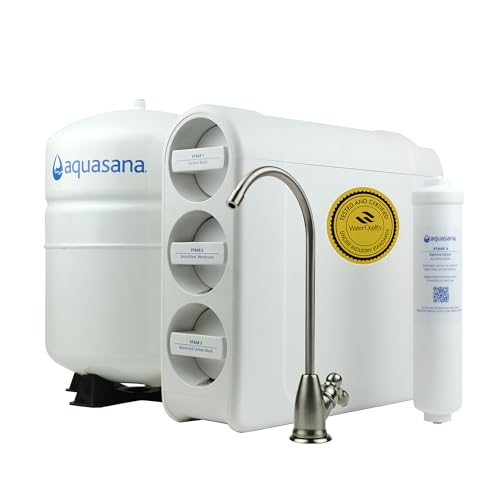
Aquasana SmartFlow RO
One of the most broadly certified under-sink RO systems we've checked, with minerals added back. The cost is the carbon blocks: $91.99 every 6 months or 250 gallons, plus the remineralizer and a yearly membrane.
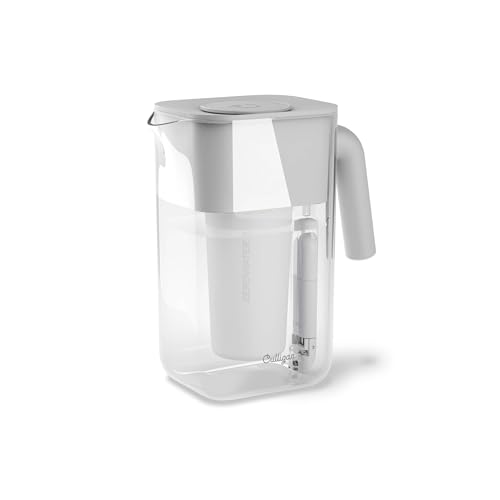
Culligan ZeroWater
One of few pitchers with certified fluoride reduction, plus Total PFAS. Filters cost $0.68 to $0.93 a gallon and run out faster on hard water.
Nitrate: the AquaTru Carafe and Classic and the Aquasana SmartFlow are certified under NSF/ANSI 58, and the Culligan ZeroWater by IAPMO R&T. Standard Brita and PUR pitchers aren’t certified for fluoride or nitrate.
How do you prepare formula safely with filtered water?
- Most babies: mix powdered formula with safe tap or filtered water, following the formula label.
- Younger than 2 months, premature, or with a weakened immune system: the CDC advises boiling the water and waiting about five minutes before mixing, because very hot water (about 158°F) kills Cronobacter germs that can be in powdered formula. A filter doesn’t do that.
- On a private well: test for nitrate and bacteria before using the water for formula. See our well water guide.
Common questions
What is the best water for baby formula?
Safe tap water for most babies, according to the CDC. If your water has lead or nitrate, or you want low-fluoride water, use a filter certified for it, such as the AquaTru Carafe, certified by IAPMO R&T for lead, nitrate, fluoride, and PFOA/PFOS.
Is filtered water safe for baby formula?
Yes. The CDC lists filtered or unfiltered tap water as acceptable for most babies. Filtering doesn’t kill germs, so follow the CDC’s boiling steps for babies younger than 2 months, premature, or with a weakened immune system.
Is reverse osmosis water good for baby formula?
It’s a low-fluoride option the New York State Department of Health lists for parents concerned about fluorosis. Choose a system certified for the contaminants in your water.
Should I worry about fluoride in formula water?
The New York State Department of Health rates the fluorosis risk as low and describes fluorosis as a cosmetic change in tooth enamel. If you prefer low-fluoride water, a certified reverse osmosis filter or the Culligan ZeroWater pitcher reduces it. Ask your pediatrician. See our fluoride filter guide.
Does a Brita filter work for baby formula?
A Brita Elite is certified for lead, but no Brita filter is certified for fluoride or nitrate. The standard Brita filter isn’t certified for lead. See what a Brita filters out.
Sources
- CDC: How to prepare and store powdered infant formula
- EPA: National primary drinking water regulations (nitrate, fluoride)
- EPA: Basic information about lead in drinking water
- New York State Department of Health: Fluoridated water for feeding during infancy
- IAPMO R&T product listing directory
- WQA certified product listings
Prices as of October 14, 2026. Product prices and availability are accurate as of the date/time indicated and are subject to change. As an Amazon Associate we earn from qualifying purchases.